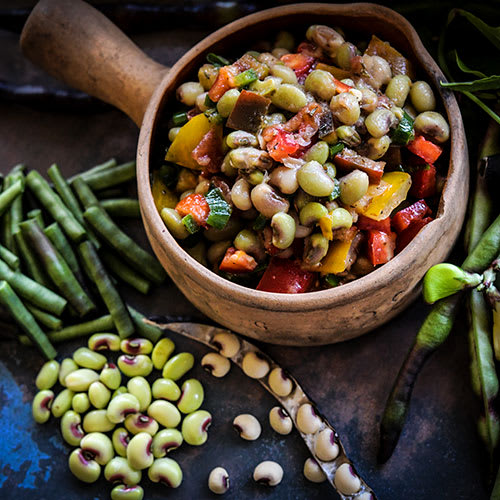
Cowpea Seeds
Welcome summer heat with hardy Southern cowpeas, tender pods, and dry peas for hearty homegrown suppers.Easy-to-grow peas for hearty suppers.
FREE U.S. SHIPPING • 2-YEAR GUARANTEE


About Cowpea Seeds
(Vigna unguiculata) Easy to grow, colorful, and tasty, cowpeas are popular in the southern U.S., Africa, where they originated, and Asia. They tolerate heat, drought, and humidity. They are great picked young for use as green snap beans and stir fried or boiled. The abundant leaves are incredibly delicious as cooked greens! The long vines also make a great cover crop.
How to grow Cowpea
Starting seeds
- Cowpeas love heat and cannot tolerate cold.
- Soak seeds overnight and direct sow in a warm, sunny location when soil has warmed to at least 65 degrees.
- Ideal germination temperature is 75-95 F.
- Plant seeds ½ to 1 inch deep.
- Seeds should be thinned to 4-6 inches apart.
.
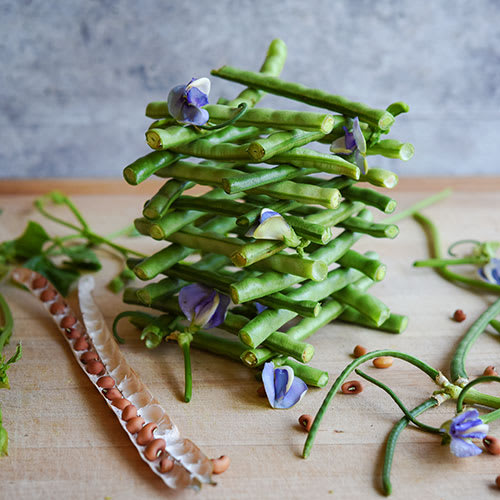
Growing
- Cowpeas are famous for thriving in poor conditions. They can tolerate excessive heat, drought, poor soil and humidity; they just don’t like cool weather.
- Plants can tolerate a bit of shade.
- Trellis plants to keep them neat and tidy, as they have a tendency to get out of control.
- Overhead watering can spread disease; it’s much better to use drip irrigation or soaker hoses.
- Pencil thin, immature pods can be harvested for fresh eating.
- Harvest dry beans when pods have completely dried and beans are hard. In case of a wet fall, cut down plants and hang upside down indoors to ensure even drying.
PESTS/SPECIAL CONSIDERATIONS
- Cowpeas are a generally pest- and disease-free plant.
- Aphids can be controlled with a strong blast of water on the affected area or an application of neem oil.
Saving seed
- Beans are self pollinating and seldom have issues with cross pollinating. You may grow different varieties for seed saving in the same small garden with very little chance of contamination.
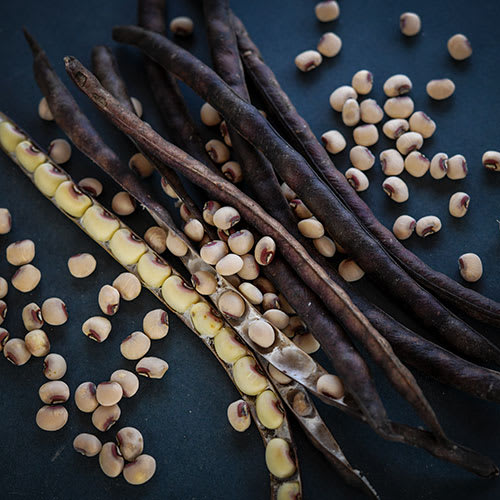
- Simply allow cowpea pods to dry completely on the plants; shell the peas and store in an airtight container, where they will remain viable for up to 4 years.
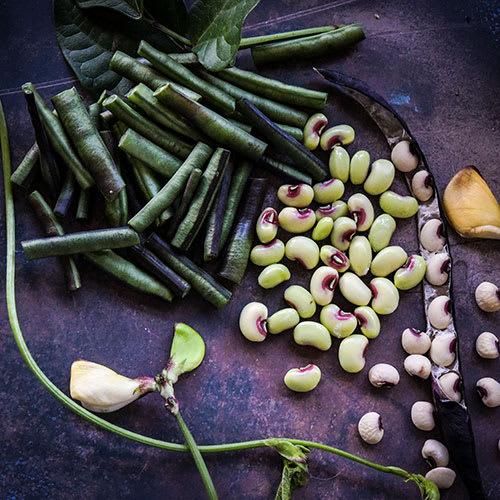
History and uses
Latin name Vigna unguiculata, cowpeas are part of the legume family. They are super drought tolerant, and like other legumes, have the ability to add nitrogen to the soil.
HISTORY
Native to western Africa, cowpeas are believed to have been brought to America in the holds of slave ships. George Washington grew cowpeas as a forage crop. Confederate soldiers carried the clay cowpea in their provision sacks as a nonperishable food; some Civil War reenactors will grow the clay variety for historical accuracy in their field provisions. A staple in Southern cooking, they are also considered a life- saving crop in Africa, as they are a dependable source of plant protein.
USES
- Culinary
- An excellent nitrogen-fixing cover crop
- Useful as green or dry animal fodder