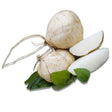
Asian Bean Seeds,
Jicama or Yam
FREE U.S. SHIPPING, 2-YEAR GUARANTEE
Description
(Pachyrhizus erosus) Long, fast-growing vines can stretch up to 20 feet, quietly working underground to produce crisp, juicy tubers with a refreshing, sweet crunch that’s become a favorite in fresh and cooked dishes alike. This long-season crop needs about 120 days and an early start outside the deep South, but the payoff is worth it. Only the roots are edible—seeds and pods must never be eaten—making this a fascinating plant that rewards careful growers with a unique, delicious harvest and a little bit of tropical adventure in the garden. Caution: The seeds and pods are poisonous! Only use the tasty roots.
Germination tips: Taking the seed with a firm grip, stroke the seed on the sandpaper. (All purpose, fine sandpaper). Do this until you see a small scuff mark on the seed coat, being very careful not to go too far because it can damage the seed inside.
The scuffed seed will be ready to plant or soak right after.
Using the sandpaper method on dormant seeds with thick coats should speed up the germination significantly.
Plant Details
- Botanical Name
- Pachyrhizus erosus
- Days to Maturity
- 120 days
Growing Guide
When to Grow
FAQ
How long does Jicama or Yam Bean take to produce roots?
Plan on about 120 days of warm, frost-free weather. The roots do most of their swelling as the days shorten in late summer and fall, so in gardens with shorter seasons they may still be small when frost arrives.
Do Jicama or Yam Bean vines need a trellis?
The vines can stretch up to 20 feet, so a trellis or fence keeps them manageable. To steer growth into the root, keep the vines pruned to 3-5 feet and pinch off the flowers as they appear.
Which parts of the jicama plant are safe to eat?
Only the root is edible. The seeds and pods are poisonous, as are the leaves, vines and flowers, so never eat them.
Browse our full range of jicama seeds.