Squash Seeds
Grow heirloom squash in marvelous colors and shapes for summer suppers and a well-stocked winter pantry.From tiny treasures to giant feasts.
FREE U.S. SHIPPING • 2-YEAR GUARANTEE


About Squash Seeds
(Curcurbita spp.) Squash (from the Massachuset word "askutasquash") is a beautiful, delicious, and important crop. Store winter types in cool, dry conditions for up to a year. Pick and eat summer types before the rinds and seeds begin to harden.
Winter Squash Seeds
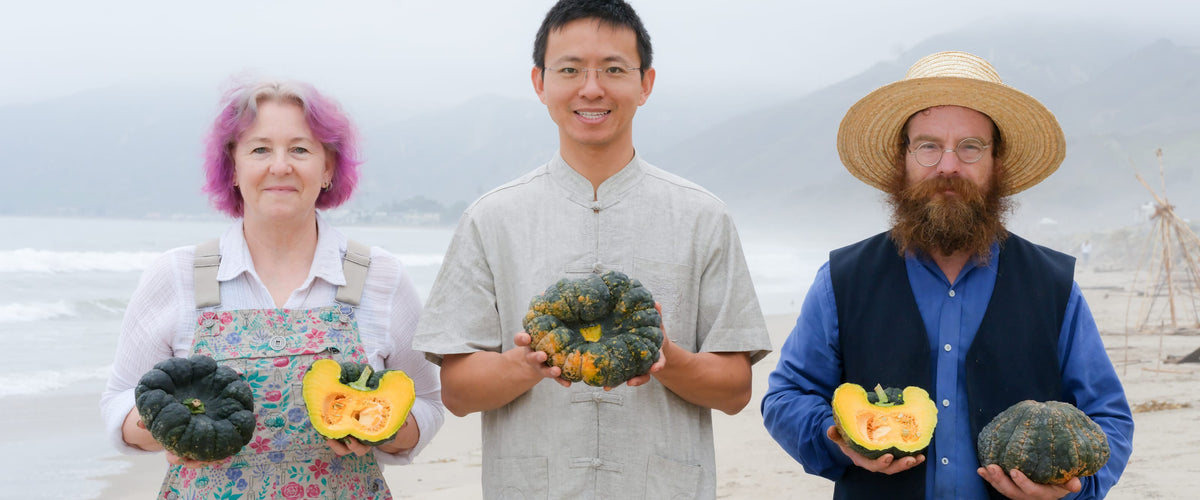
Blue Hubbard, Waltham butternut, buttercup, delicata, candy roaster and Long Island Cheese pumpkin: long-keeping heirloom winter squash seeds for storage through the cold months. Harvest when the rinds harden, cure in the sun for a week and keep them cool and dry for months of soups, pies and roasting.
Summer Squash Seeds
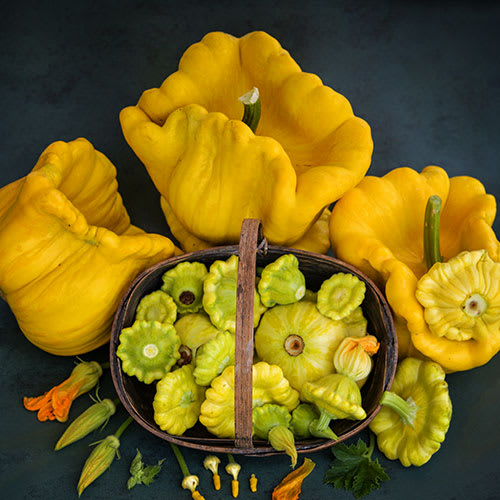
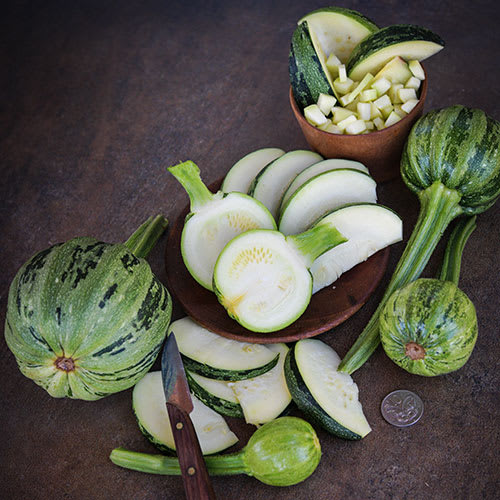
Golden zucchini, custard and pattypan types, early golden crookneck and the climbing Zucchino Rampicante: quick, prolific heirloom summer squash seeds to pick young and tender all season. Every variety is open-pollinated and non-GMO. Use the Type filter to show only winter or summer varieties.
How to grow Squash
Starting seeds
- Plant in spring or early summer; harvest in fall before a hard frost.
- You can direct seed or start squash indoors; just be extra careful not to let plants become pot bound! All cucurbits will not tolerate outgrowing their pots; it will stunt their growth.
- Sow seeds or put out transplants about one to two weeks after the chance of frost has passed, as these plants absolutely cannot handle frost.
- Sow seeds ½ to 1 inch deep.
- Germination temperature is 70-95 F.
- Seeds germinate in 5-10 days.
Growing
- Squash plants like rich, well-drained soil and plenty of sun.
- If you have limited garden space, be sure to choose bush type squash varieties; otherwise you will have a trailing vine that may crowd other plants.
- There is, however, a major bonus to growing vine types: They are much more resistant to the squash vine borer than are bush types.
- Sow seeds one foot apart in rows, and vining types should be grown in rows six to 10 feet apart.
- When plants get to be about 6 inches tall, you can thin to two to three feet apart in the rows.
- It can be very tricky to weed around mature plants without disturbing the delicate vines, so weed often when plants are young. As they get older, their massive leaves will help reduce weeds.
- Winter squash are left on the vine to harden and have a long storage life.
- Harvest summer squash frequently.
PESTS/SPECIAL CONSIDERATIONS
- Squash beetles and vine borers are the primary pests. We take a multi-step approach to combating the issue. Aside from crop rotation, we delay planting until after the squash bug season has peaked in late June, and we spray with pyrethrum and neem oil.
Saving seed
- There are four different species of squash: Cucurbita maxima, C. Pepo,C. moschata, and C. mixta. They will not cross-pollinate with each other, so it is possible to grow one of each species for seed saving without worrying about cross-pollination.
- If you are planning to grow several varieties of more than one species, you can bag the blossoms and hand pollinate to avoid crossing.
- Whether it is a summer or winter squash, you must let the fruit completely mature before extracting the seeds.
- You will want to cure the squash for at least two weeks as well.
- After curing, scoop the seeds, place them in a bucket, and add just enough water to cover. Let sit at room temperature for two days before rinsing off the pulp. Lay seeds out to dry on newspaper or paper plates.
- Seeds will remain viable for up to four years.
History and uses
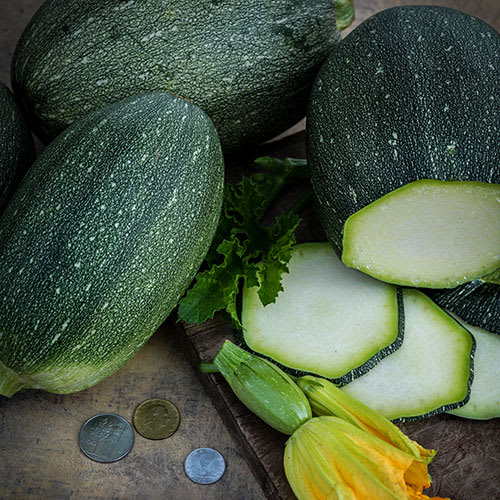
Squash is a beautiful and tremendously important crop. Many winter types will store in cool, dry conditions for up to a year when cured properly. The small, quick-growing forms that are eaten before the rinds and seeds begin to harden are called summer squash.
HISTORY
The word “squash” comes from the Massachuset word askutasquash, meaning “eaten raw or uncooked.” Although Native Americans may have eaten some forms of squash without cooking, today we like our winter squashes cooked. English colonists considered the winter squash a life-saver during their first few hard winters.
USES
- Many culinary uses