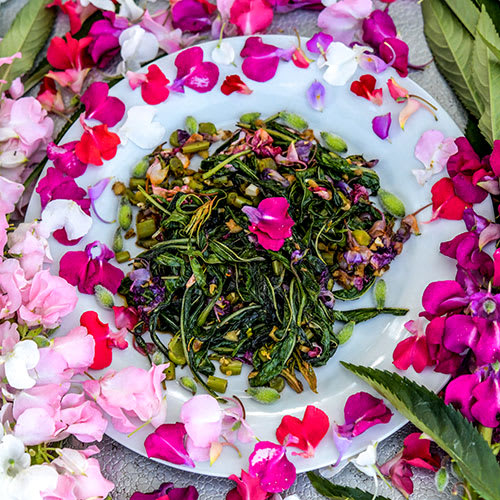
Balsam Seeds
Bring back Grandma’s flower patch with jewel-bright balsam blossoms tucked along tall, leafy stalks.A treasure box of jewel-toned blooms.
FREE U.S. SHIPPING • 2-YEAR GUARANTEE


Balsam Seeds, Topknot Mix
$5.00 · 25 seeds
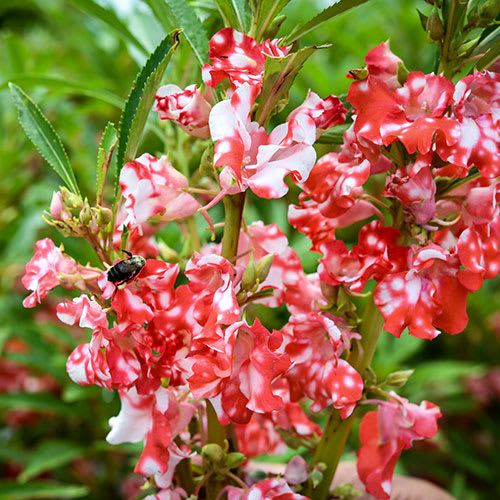
View product and add to cartDouble to super-double blooms unfurl like miniature camellias or old-fashioned roses, bringing a lush, romantic look to the garden. These historic balsams were all the rage in the 19th century, but over time they nearly vanished from modern gardens. We’re on a mission to bring back as many of these forgotten beauties as possible—and with blossoms this charming, we think they’re ready for a well-deserved comeback!
About Balsam Seeds
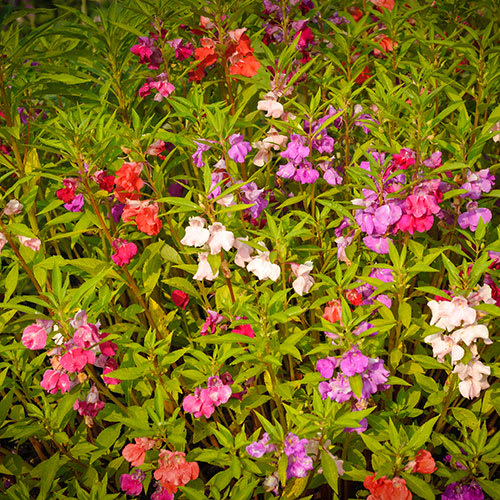
Balsam (Impatiens balsamina) is an old-fashioned annual that thrives in summer heat, with camellia-like blooms tucked along its leafy stalks. Our heirloom balsam seeds include Topknot Mix.
How to grow Balsam
Starting seeds
- Seeds germinate in 10-15 days.
- Sow indoors about 8 weeks before the last frost date.
- Cover seeds with a light dusting of soil.
- A humidity dome will help to keep plants consistently moist.
Growing
- Provide moist, well-drained soil.
- Plants tolerate sun but prefer part shade.
- Space plants 12 inches apart.
PESTS/SPECIAL CONSIDERATIONS
- Balsam is fairly pest-free; however, powdery mildew can be a problem if the foliage is consistently too wet. Avoid overhead watering; drip irrigation will help to avoid excess moisture on foliage.
Saving seed
- Balsam is nicknamed "Touch-Me-Not" for its exploding seed pods. When the seeds are ripe, the pods will burst open and fling seeds across the garden.
- To avoid this scattering of seeds, simply place a small breathable bag (cheesecloth is best) over blooms after they have dropped their petals and begun to turn yellow.
- After seeds explode in the bag, gently remove the bag and store the seeds for next season. Seeds remain viable for up to 2 years.

History and uses
Latin name Impatiens balsamina is a tropical annual flower native to southern Asia. Balsam adds a tropical feel to gardens, and its blooms are frequented by a wide range of pollinator species from bees to birds.
HISTORY
Balsam has been called on extensively in Eastern medicine as a topical relief for skin ailments from rashes to snakebites.
USES
- Ornamental.
- Beds, borders, containers, cottage garden.
- Plants are edible when cooked and eaten in moderation, be aware that the plants are relatively high in oxalates.