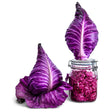
Cabbage Seeds,
Kalibos
Min. 300 seeds
FREE U.S. SHIPPING, 2-YEAR GUARANTEE
-
 Free Seed Variety 1
FREE
Spend $10.00 more from All Seeds Products to unlock
-
 Free Seed Variety 2
FREE
Spend $35.00 more from All Seeds Products to unlock
-
 Free Seed Variety 3
FREE
Spend $65.00 more from All Seeds Products to unlock
-
 Free Seed Variety 4
FREE
Spend $100.00 more from All Seeds Products to unlock
-
 Free Seed Variety 5
FREE
Spend $150.00 more from All Seeds Products to unlock
-
 Free Seed Variety 6
FREE
Spend $200.00 more from All Seeds Products to unlock
-
 Free Seed Variety 7
FREE
Spend $250.00 more from All Seeds Products to unlock
-
 Free Seed Variety 8
FREE
Spend $300.00 more from All Seeds Products to unlock
-
 Free Seed Variety 9
FREE
Spend $350.00 more from All Seeds Products to unlock

Description
(Brassica oleracea). Incredibly graceful appearance would qualify Kalibos for the flower garden, but this European variety is eminently useful as well! The conical, long, heart-shaped, 2-pound heads of deep red are on the small side, ideal for a single dish. The color is so beautiful when the leaves are shredded into slaw, and the flavor is mild and very sweet. They're good keepers as well, allowing you to enjoy your fall harvest well into winter.
Plant Details
- Botanical Name
- Brassica oleracea
- Life Cycle
- Biennial
- Sun Requirement
- Full sun
- Days to Germinate
- 7–10
- Days to Maturity
- 85
- Planting Depth
- ¼ in.
- Plant Spacing
- 18–20 in.
- Ideal Temperature
- 50–75°F
- Frost Hardy
- Yes
Growing Guide
When to Grow
How to Sow and Plant
How to Grow
How to Save Seeds
FAQ
How long does it take for Kalibos cabbage to mature?
Typically, Kalibos takes around 85 days to reach maturity, depending on growing conditions.
Can Kalibos cabbage tolerate frost?
Yes, it can tolerate light frosts, which can actually improve its flavor.
What spacing is best for Kalibos cabbage?
Space plants about 18-20 inches apart to ensure adequate air circulation and growth space.
Browse our full range of cabbage seeds.