Kale Seeds,
Nero Di Toscana

4.813 ReviewsSKU: #KA117
Price
Regular price $3.00
Regular price $0.00 Sale price $3.00
Save $-3
/

Min. 300 seeds

FREE U.S. SHIPPING, 2-YEAR GUARANTEE


Description

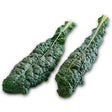
(Brassica oleracea). This loose-leafed "cabbage" dates back to the early 1800s at least. It has beautiful, deep black-green leaves that can be 24 inches long. They are heavily savoyed. This Italian heirloom is popular in Tuscany and central Italy for making fabulous soups and stews. One of the most beautiful and flavorful types you can grow. It is high in vitamins C and A, and a source of calcium, copper, potassium, and manganese. This is truly a miraculous and healthy plant from ancient Italy.

Growing Tips: Nero di Toscana kale is well-suited to cooler climates and is quite hardy. Prepare well-drained soil enriched with compost. Consider succession planting every 2-3 weeks for a steady supply. Regular pruning and thinning improve air circulation and reduce disease risk.

Plant Details

Botanical Name
Brassica oleracea
Life Cycle
Biennial
Sun Requirement
Full sun
Days to Germinate
7–10
Days to Maturity
60
Planting Depth
¼ in.
Plant Spacing
18–20 in.
Ideal Temperature
50–75°F
Frost Hardy
Yes

Growing Guide

When to Grow

Nero di Toscana can be planted in both spring and fall. For a spring harvest, sow seeds indoors 6-8 weeks before the last frost date. For a fall harvest, sow seeds directly outdoors in mid-summer. Kale thrives in cooler temperatures and can tolerate light frosts, which enhance its flavor.If you’re not sure how to find your first and last frost dates, consult our blog post 'Our Experts Answer Questions, Share Resources.'

How to Sow and Plant

Sow seeds 1/4 inch deep in seed-starting mix if starting indoors. Space seedlings about 18-20 inches apart once transplanted. Nero di Toscana kale prefers rich, well-drained soil with a pH between 6.0 and 7.5. Incorporate plenty of organic matter into the soil to improve fertility and moisture retention​.

How to Grow

This variety requires full sun to partial shade. Consistent watering is important to keep the soil evenly moist but not waterlogged. Mulching around the base of the plants helps to retain moisture and suppress weeds. Fertilize with a balanced fertilizer during the growing season to support robust leaf production.

How to Save Seeds

  • Like all cabbage family members, kale is biennial.
  • Kale is insect pollinated and will cross with some closely related cabbage family members, so it is wise to isolate varieties at least a mile apart to ensure pure seed. Other techniques such as alternate day caging can be used if isolation is not possible.
  • You will need to overwinter plants to harvest seeds. Mulch plants heavily with straw or cover with row cover and greenhouse plastic in an attempt to nurse plants through the winter. You can also dig up plants and store them inside to replant in spring.
  • When the flower spikes emerge in the second year, let the seed pods dry to brown and cut off the entire flower spike.
  • Hang flower stalks upside down indoors over a tarp, allowing the seeds to drop onto the tarp.
  • Seeds will remain viable for up to 4 years.

FAQ

How long does it take for Nero di Toscana kale to mature?

It typically matures in about 65 days, depending on growing conditions.

How often should Nero di Toscana kale be watered?

Water the plants consistently to keep the soil evenly moist, especially during dry periods. Aim for about 1-1.5 inches of water per week. Avoid overhead watering to reduce the risk of fungal diseases.

Can Nero di Toscana kale be grown in containers?

Yes, Nero di Toscana can be successfully grown in containers. Choose a container that is at least 12 inches deep and wide. Ensure it has good drainage and use a high-quality potting mix rich in organic matter.

Browse our full range of kale seeds.
Customer reviews

4.8 / 5 13 Reviews

What gardeners are saying

  • Tender, never bitter: Sweet, tender leaves with no bitterness; a favorite for soups.

  • Heat and frost hardy: Produces through hot summers and survives frost into winter.

  • Produces for months: Fresh kale from spring into December; some plants live for years.

  • Tall plants: Stalks reach 3 to 4 feet and look like little trees.

  • Heads up: Cabbage worms love it; cover with netting once the weather warms.

More to grow!
See all Kale Seeds