Winter Squash Seeds,
Tahitian Melon

4.340 ReviewsSKU: #SQ282
Price
Regular price $4.00
Regular price $0.00 Sale price $4.00
Save $-4
/

Min. 20 seeds

FREE U.S. SHIPPING, 2-YEAR GUARANTEE


Description

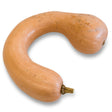
(Cucurbita moschata). This near-legendary butternut-type was one of the first rediscovered heirlooms that fueled the early heirloom movement. Fruit is large, to 40 lbs. or more, though 12 to 20 pounds is more common. The orange flesh is richly fragrant, very sweet and delicious. A long keeper, it has many uses. Has been known to produce as much as 100 pounds of squash per plant. The huge, rugged plants grow in a wide range of conditions, even in the heat of a Southwest summer. Introduced by Thompson and Morgan in 1977 from seed grown by our friend Steve Spangler of Exotica Rare Fruit Nursery in Vista, California. Steve was among the earliest people to grow Tahitian Melon squash in this country from seed said to have been brought from the exotic islands of Tahiti by a sailor in the 1940s.

Growing Tips: Tahitian Melon squash grows best in warm, well-drained soil enriched with organic matter. Deep, consistent watering is essential, especially during fruit development. Mulching helps retain moisture and control weeds. Squash is not frost tolerant, so be sure to plant after all danger of frost has passed.

Plant Details

Botanical Name
Cucurbita moschata
Life Cycle
Annual
Growth Habit
Vining
Sun Requirement
6–8 hr.
Days to Germinate
5–10
Days to Maturity
110
Planting Depth
½–1 in.
Plant Spacing
18–36 in.
Ideal Temperature
70–95°F
Frost Hardy
No

Growing Guide

When to Grow

Plant after the last frost when soil temperatures reach 70 F or higher. You can start seeds indoors 4 weeks before the last frost or direct sow in late spring. Check local frost dates to determine the best time to plant for you. If you’re not sure how to find your first and last frost dates, consult our blog post 'Our Experts Answer Questions, Share Resources.'

How to Sow and Plant

Sow seeds 1/2-1 inch deep directly in the garden or in pots for indoor starts. Space plants 18-36 inches apart. When transplanting seedlings started indoors, make sure to harden them off by gradually exposing them to outdoor conditions before planting them in the garden, and be careful not to disturb the roots in the process.

How to Grow

Regular watering and fertilization with a balanced fertilizer are key to strong growth. The plants are heavy feeders, so provide them with nutrients throughout the growing season. Watch for pests such as squash bugs and vine borers, and use organic pest control methods when necessary. Training the vines on a trellis can save space and improve air circulation.

How to Save Seeds

  • There are four main species of squash: Cucurbita maxima, C. pepo, C. moschata, and C. mixta. They will not cross pollinate with each other, so it is possible to grow one of each species for seed saving without worrying about cross pollination.
  • If you are planning to grow several varieties of more than one species, you can bag the blossoms and hand pollinate to avoid crossing.
  • Whether it is a summer or winter squash, you must let the fruit completely mature before extracting the seeds, and cure for at least two weeks.
  • Scoop the seeds, place them in a bucket, and add just enough water to cover. Let sit at room temperature to ferment for two days before rinsing off the pulp.
  • Lay seeds out to dry on newspaper or paper plates.
  • Stored in a cool, dry place, seeds will remain viable for up to four years.

FAQ

How long does it take for Tahitian Melon squash to mature?

It typically takes about 110 days, depending on growing conditions.

How large do Tahitian Melon squashes grow?

These squashes can grow quite large, some reaching 40 pounds; however, most of them are 12-20 lbs.

Is Tahitian Melon squash good for long-term storage?

Yes, after proper curing, Tahitian Melon squash stores well for several months, making it an excellent choice for winter storage.

Browse our full range of winter squash seeds.
Customer reviews

4.3 / 5 40 Reviews

What gardeners are saying

  • Monster squash: Fruits of 10 to 30 pounds, most of it seedless neck.

  • Shrugs off squash bugs: Survives borers and squash bugs that kill other squash.

  • Sweeter than butternut: Dense, sweet flesh for soups, pies and roasting.

  • Huge harvests: Well over 100 pounds from a few plants; stores for months.

  • Growing tips: Vines run 20 feet or more; give it room or a fence to climb.

More to grow!
See all Squash Seeds