Watermelon Seeds,
Desert King

4.430 ReviewsSKU #WM145 · 25 seeds
Price
Regular price $3.75
Regular price $0.00 Sale price $3.75
Save $-3.75
/

FREE U.S. SHIPPING, 2-YEAR GUARANTEE


Description

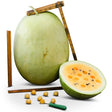
(Citrullus lanatus). This watermelon produces 20-lb fruit with a light pea-green, sunburn-resistant rind. It is also one of the most drought-resistant varieties of watermelon known. It has sweet, yellow flesh and is very popular in the watermelon-growing areas of Arkansas. Good for storage.

Plant Details

Botanical Name
Citrullus lanatus
Life Cycle
Annual
Growth Habit
Vining
Sun Requirement
Full sun
Days to Germinate
5–10
Days to Maturity
85–95
Planting Depth
1 in.
Plant Spacing
36–48 in.
Ideal Temperature
70–95°F
Frost Hardy
No

Growing Guide

When to Grow

Start seeds indoors 3–4 weeks before your last frost or direct sow outdoors once soil temperatures reach 70°F. Transplant seedlings only after the danger of frost has fully passed. If you’re not sure how to find your first and last frost dates, consult our blog post 'Our Experts Answer Questions, Share Resources.'

How to Sow and Plant

Plant 2–3 seeds 1 inch deep per hill or spaced in rows. Space mounds 3–4 feet apart and rows 5–6 feet apart. Thin to the strongest seedling once true leaves emerge. For best results, amend soil with compost or aged manure before planting.

How to Grow

Water deeply once a week, especially during flowering and fruit set. As fruit nears maturity, reduce watering to enhance sweetness and prevent cracking. Fertilize at planting and again when vines begin to run. Keep fruit off soil to prevent rot and monitor for pests such as cucumber beetles and squash bugs.

How to Save Seeds

  • Choose fully ripe or overripe fruits from healthy, true-to-type plants.
  • Scoop seeds from the flesh and rinse in a strainer to remove pulp.
  • Spread seeds on a screen or paper towel in a warm, dry place out of direct sunlight for 7-10 days.
  • Stir daily to ensure even drying.
  • Once completely dry, store in an labeled, airtight container in a cool, dark place.

FAQ

Is Desert King watermelon good for dry climates?

Yes, Desert King is one of the best watermelons for drought-prone areas. It was specifically bred to tolerate hot, dry conditions while still producing sweet, juicy fruit.

How large do Desert King watermelons get?

Desert King watermelons typically weigh between 15 and 25 pounds, with firm yellow flesh and a thick rind that helps them hold up well in the garden and in storage.

Does the yellow flesh mean it's less sweet than red varieties?

Not at all—Desert King has a rich, honeyed sweetness and is often praised for its unique flavor. Many gardeners find it just as sweet, if not sweeter, than red-fleshed types.

Browse our full range of watermelon seeds.
Customer reviews

4.4 / 5 30 Reviews

What gardeners are saying

  • Laughs at heat: Vines never wilt in 110-degree sun, even on little water.

  • Easy to grow: Germinates readily and thrives in sand, clay and poor soil.

  • Golden-orange flesh: Pale green rind hides yellow-orange flesh, a fun surprise.

  • Big, plentiful melons: Several fruit per vine, 15 to 40 pounds in good soil.

  • Heads up: Mild flavor for some; judge ripeness by a fully dry tendril.