


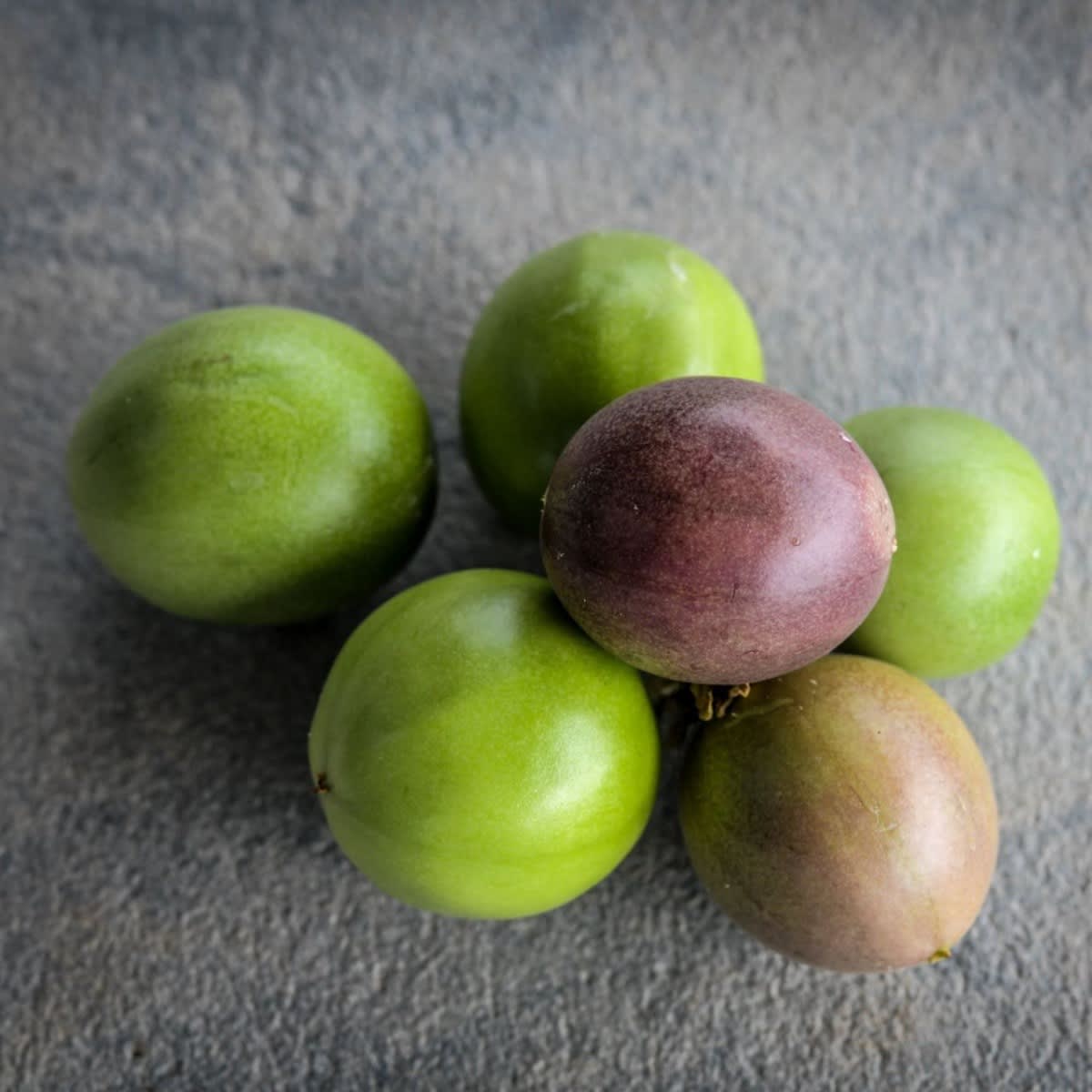
Passion fruit (Passiflora edulis) is a tropical vining plant native to southern Brazil, Paraguay, and northern Argentina. Passionflower, also known as passion fruit, produces stunning, intricate flowers and sweet fruit. Passiflora edulis is hardy in zones 9-11.
About
HISTORY
The passion fruit flower is the official national flower of Paraguay, and hip-hop musician Drake's chart-topping single "Passionfruit" was released in 2017. The origin of the name, however, dates back to the 16th century, when missionaries in Brazil named its five-petaled blossom flor das cinco chagas ("flower of the five wounds") and used it to illustrate the passion of Christ.
USES
- Fruits are great for fresh eating, juicing, jellies, and other desserts.
- Flowers are also used as an herbal tea.
Start
- Choose a sunny site with well-drained soil.
- Provide a trellis for the vines to climb.
- Amend growing site with compost.
- Plant after all chances of frost have passed.
- In temperate climates you may choose to grow in a hanging pot so plants can be brought in when the weather begins to cool.
- Space plants 5-10 feet apart or one plant per pot.
Grow
- Keep well watered but not waterlogged.
- Fertilize with a high potassium fertilizer.
- Passionfruit typically ripen about 80 days after flowering.
- Prune back old growth in the spring.

Save
- Propagate through a cutting or seed.
- To save seed, scoop out the flesh of a mature fruit and let it ferment for a few days.
- Rinse and dry seeds. Store seeds in a cool, dry, dark place until next season.
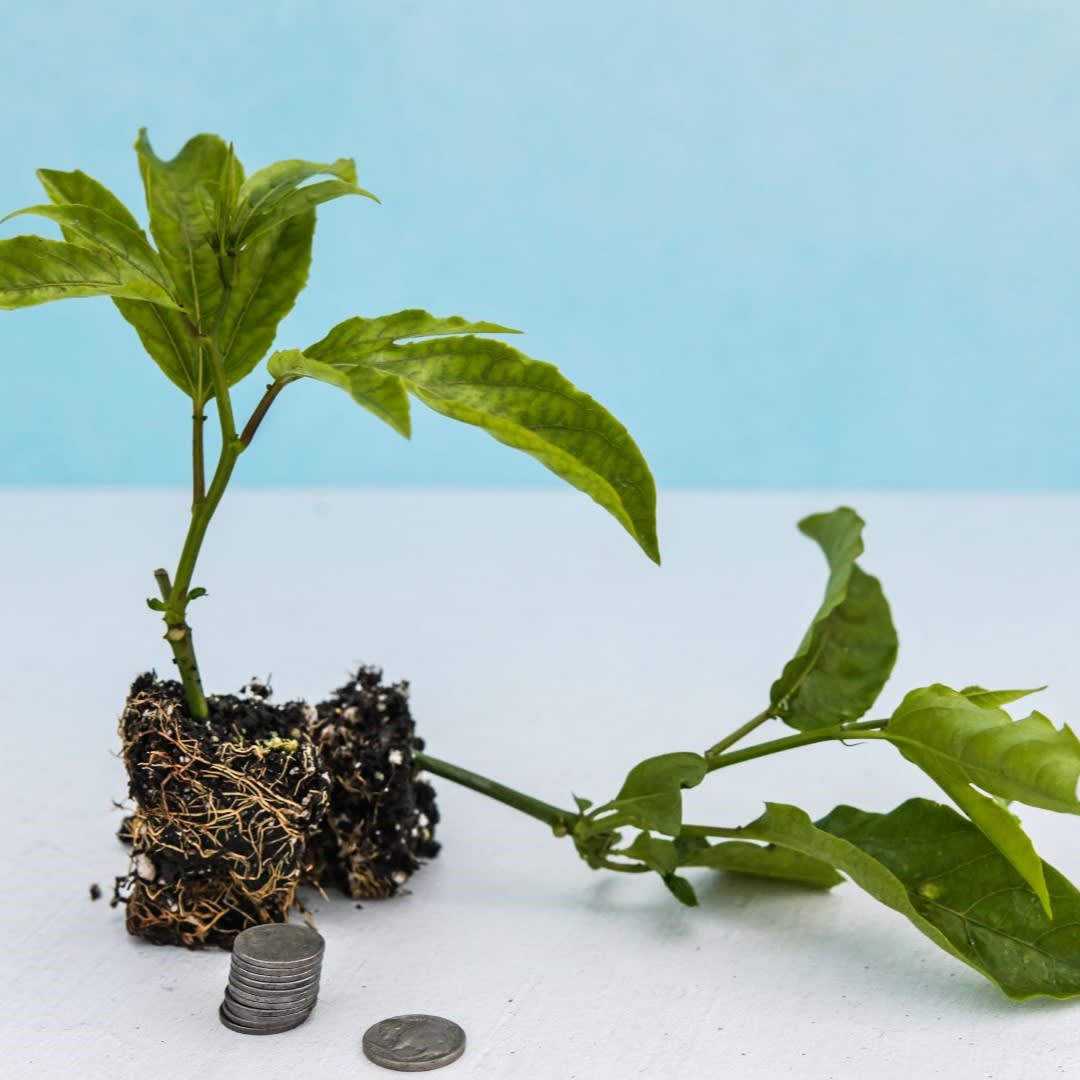
- When propagating by cutting, take cuts from the newer but mature growth. You want it to be about as thick as a pencil.
- Take 6-8 inch cuttings with multiple nodes.
- Leave one leaf and node above the soil and bury 1-2 nodes.
- Maintain moist soil and keep in a warm area until you are ready to plant.


