Corn Seeds,
Amish Butter Popcorn
Min. 75 seeds
FREE U.S. SHIPPING, 2-YEAR GUARANTEE
Description
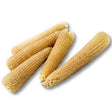
(Zea mays) Popcorn. This buttery heirloom popcorn dates back to the 1800s and has been grown by the Pennsylvania Dutch for generations. The sturdy 8-foot stalks produce about 2 ears per plant, each about 4-6 inches long with small, round, nearly ivory kernels.
Growing Tips: To grow this popcorn successfully, start by ensuring your soil is well prepared. The soil should be well drained and rich in organic matter with a pH between 5.8 and 7.0. Adding compost or well-rotted manure before planting can greatly improve soil fertility. When planting, wait until the soil temperature reaches at least 60 F, as popcorn seeds require warm soil to germinate effectively. Cold soil can inhibit germination and stunt early growth. Amish Butter popcorn needs around 100 days to reach maturity.
Plant Details
- Botanical Name
- Zea mays
- Life Cycle
- Annual
- Sun Requirement
- 6–12 hr.
- Days to Germinate
- 7–10
- Days to Maturity
- 100
- Planting Depth
- 1–2 in.
- Plant Spacing
- 12 in.
- Ideal Temperature
- 60°F
- Frost Hardy
- No
Growing Guide
When to Grow
How to Sow and Plant
How to Grow
How to Save Seeds
FAQ
How long does it take for Amish Butter popcorn to mature?
Amish Butter Popcorn typically takes about 100 days to mature from planting to harvest. This variety requires a longer growing season compared to other types of corn.
Can I grow Amish Butter popcorn alongside other types of corn?
It is best to avoid growing popcorn near other types of corn, such as sweet corn or field corn, to prevent cross-pollination, which can negatively affect the quality and yield of both crops. If space is limited, you can isolate the plantings by time, planting the popcorn first and waiting a few weeks before planting other corn types.
How do I know when the popcorn is ready to harvest?
Popcorn is ready to pick when the husks are dry and papery and the kernels are hard and glossy. Cure the picked ears in a dry, airy place for 4-6 weeks, then test-pop a few kernels; if they are chewy or pop poorly, cure them longer before shelling the rest. Do not leave the ears standing in the field to dry.
Browse our full range of corn seeds.