Hot Pepper Seeds,
Puma

424 ReviewsSKU: #HPP227
Price
Regular price $4.00
Regular price $0.00 Sale price $4.00
Save $-4
/

Min. 15 seeds

FREE U.S. SHIPPING, 2-YEAR GUARANTEE


Description

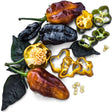
(Capsicum chinense). The Puma pepper is a masterful mix of visual intrigue and high-intensity flavor. Each pepper is a small work of art. The 2.5- to 3- inch long fruit has brushstrokes of tangerine and violet and is bursting with habanero-level heat. An edible ornamental pepper of epic proportions, the handsome foliage and stems are a forest green tinged with deep purple. Our top choice for edible landscaping and hot sauce making! 300,000 – 400,000 SHU.

Growing Tips: The Puma pepper is an eye-catching, heirloom variety that grows the best in warm conditions, full sun, and rich, well-draining soil. During the hottest summer weather, however, the plants also appreciate a bit of afternoon shade.

Plant Details

Botanical Name
Capsicum chinense
Life Cycle
Annual
Sun Requirement
8–12 hr.
Days to Germinate
7–10
Days to Maturity
90–100
Planting Depth
¼ in.
Plant Spacing
14–18 in.
Ideal Temperature
70–95°F
Frost Hardy
No

Growing Guide

When to Grow

Start Puma pepper seeds indoors about 8-12 weeks before the last expected frost date, as they need a long, warm season to mature. Transplant outdoors only when all frost danger has passed. This is especially important in cooler regions to make sure that the plants have enough time to develop. If you’re not sure how to find your first and last frost dates, consult our blog post 'Our Experts Answer Questions, Share Resources.'

How to Sow and Plant

Sow seeds 1/4 inch deep in a seed-starting mix, keeping the soil temperatures between 80-85 F during germination. Using a heat mat can help to warm up the soil. When transplanting, space plants 14-18 inches apart to give them enough room to grow.

How to Grow

Water deeply and regularly, keeping the soil moist but not waterlogged. Avoid overhead watering to reduce the risk of fungal diseases. Fertilize the plants with a balanced fertilizer at transplanting, switching to a phosphorus-rich fertilizer as they start to flower to support fruit development.

How to Save Seeds

  • Peppers are mainly self-pollinating, but bees occasionally work pepper flowers as well.
  • To be absolutely sure that you will not have any crossing, different varieties should be isolated by at least 500 feet.
  • To save seed, allow the fruit to mature fully; then simply remove seeds.
  • It is a good idea to wear gloves when working with very hot peppers, and to consider wearing a mask when working with a large quantity of dried seeds.
  • Let seeds dry for a week before storing them in a jar.
  • Pepper seeds will remain viable for up to 5 years.

FAQ

How does Puma pepper taste?

Puma peppers have a fruity, slightly smoky flavor beneath their intense heat, making them ideal for hot sauces, salsas, and seasoning blends.

How tall do Puma pepper plants get?

Puma plants typically grow 2-3 feet tall, though with optimal care and support, they may reach up to 4 feet in height.

When should I harvest Puma peppers?

Harvest when peppers display their full range of colors—purple, orange, and red—which indicates peak ripeness and flavor. The plants typically mature in 90-100 days.

Browse our full range of pepper seeds.
Customer reviews

4 / 5 24 Reviews

What gardeners are saying

  • Striking dark foliage: Near-black purple plants are as ornamental as they are useful.

  • Smoky, fruity heat: Just under habanero heat; a favorite for hot sauce.

  • Prolific once it starts: Loaded with pods late season, and even more in year two.

  • Heads up: Slow to fruit; expect a late harvest and start seeds early.

More to grow!
See all Pepper Seeds