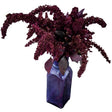
Amaranth Seeds,
Hopi Red Dye
Min. 100 seeds
FREE U.S. SHIPPING, 2-YEAR GUARANTEE
Description
(Amaranthus cruentus). A stunningly vibrant ornamental with myriad traditional indigenous uses. Originally grown as a dye plant by the southwestern Hopi Nation, this variety has the reddest seedlings of any amaranth known. Plants reach 4 to 6 feet and cut a most striking figure in the garden! The Hopis use the deep red flower bract as a natural dye to color their world-renowned piki bread. The brilliant red dye rendered from its flowers can be used in craft projects and as a natural food dye—the possibilities are endless. The young leaves are excellent sautéed.
Growing Tips: Sopi Red Dye is one of the most visually striking amaranths available, valued for both its vivid crimson seedlings and its practical uses as a natural dye source. It thrives in hot summers and tolerates drought once established, making it a low-maintenance standout in beds, borders, or cutting gardens. Harvest flowers for dye projects when blooms are fully developed.
Plant Details
- Botanical Name
- Amaranthus cruentus
- Life Cycle
- Annual
- Sun Requirement
- Full sun
- Days to Germinate
- 3–4
- Days to Maturity
- 90
- Planting Depth
- ⅛ in.
- Plant Spacing
- 6 in.
- Ideal Temperature
- 65–90°F
- Frost Hardy
- No
Growing Guide
When to Grow
How to Sow and Plant
How to Grow
How to Save Seeds
FAQ
Can I eat Hopi Red Dye amaranth, or is it strictly ornamental?
This variety is both ornamental and edible. Young leaves can be sauteed like spinach, and the seeds can be cooked as a grain.
How do I use the flowers as a natural dye?
Simmer fresh or dried flower heads in water to extract the red pigment. It can be used for craft and fiber projects, and the Hopi traditionally use the flower bract to color their piki bread.
Will Hopi Red Dye amaranth self-seed in my garden?
Yes, amaranth self-seeds readily if flower heads are left to mature. Deadhead spent blooms before seeds develop if you wish to prevent volunteer plants next season.
Browse our full range of amaranth seeds.