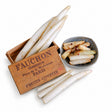
Asparagus Seeds,
Precoce D'Argenteuil
Min. 75 seeds
FREE U.S. SHIPPING, 2-YEAR GUARANTEE
Description
(Asparagus officinalis). An old traditional heirloom, this gourmet variety is highly esteemed in Europe for its delicious stems with rose-tinged buds that can be blanched white, as in this photo. It produces well and has been a favorite of chefs since the late 1800s.
Growing Tips: Precoce D’Argenteuil is a classic French heirloom asparagus known for its early yields, thick pale-pink buds, and rich flavor. It performs best in cool to temperate climates and rewards patient growers with decades of productive harvests.
Plant Details
- Botanical Name
- Asparagus officinalis
- Life Cycle
- Perennial in zones 3–8
- Sun Requirement
- Full sun
- Days to Germinate
- 10–21
- Planting Depth
- 1/2 inch (seeds); 6–8 inches (crowns)
- Plant Spacing
- 12–18 in.
- Ideal Temperature
- 60°F to 85°F
- Frost Hardy
- Yes
Growing Guide
When to Grow
How to Sow and Plant
How to Grow
How to Save Seeds
FAQ
How long before I can harvest asparagus grown from seed?
You can harvest asparagus three years after sowing seeds. Let plants grow undisturbed for 2 years to become established, and avoid the temptation to cut until the third year, taking the shoots with a sharp knife when they are less than 10 inches tall. Precoce D'Argenteuil is a classic French heirloom known for its early yields and rich flavor, with rose-tinged buds that can be blanched white; it has been a favorite of chefs since the late 1800s.
How do I start the seed?
Start seeds in a warm, sunny location 2 to 3 months before the last frost of the spring, sowing 1/2 inch deep and 2 inches apart in loose, well-drained soil. Hold the flat at 65 to 75 F and allow 14 to 21 days for sprouts. Transplant seedlings outdoors 6 inches apart once the threat of frost has passed, then move them to their final full-sun bed in early fall or the following spring, 12 to 18 inches apart in rows 3 to 4 feet apart, setting the crowns 6 to 8 inches deep.
What are the red berries on Precoce D'Argenteuil for?
When plants go to seed they produce red berries, and they are used for seed saving: squeeze the seeds into a bowl, rinse them gently with water, air dry, and refrigerate over winter to cold stratify. Asparagus is dioecious, so only female plants set berries, and it is insect-pollinated and outcrossing, so seed saved where other asparagus grows nearby will not come true to this variety; isolate the planting or expect variable seedlings. The seeds are poisonous, so do not eat them.