Eggplant Seeds,
Shiromaru

4.614 ReviewsSKU: #EG164
Price
Regular price $4.00
Regular price $0.00 Sale price $4.00
Save $-4
/

Min. 25 seeds

FREE U.S. SHIPPING, 2-YEAR GUARANTEE


Description

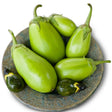
(Solanum melongena). This gourmet Japanese eggplant features stunning green skin and a mild, sweet, creamy flesh with no bitterness. Perfect for grilling or eating raw with a dash of ponzu or a sprinkle of salt. Introduced to Japan in the 8th century, its exceptional quality and heat tolerance are the result of centuries of careful breeding.

Growing Tips: The Shiromaru eggplant thrives in full sun and warm weather. Use rich, well-draining soil with a pH of 6.0–7.0. Protect the plants from pests and ensure consistent soil moisture for healthy growth. Adding mulch around the plants will help conserve moisture and suppress weeds.

Plant Details

Botanical Name
Solanum melongena
Life Cycle
Annual
Sun Requirement
6–8 hr.
Days to Germinate
10–15
Days to Maturity
60–70
Planting Depth
¼ in.
Plant Spacing
18 in.
Ideal Temperature
75–95°F
Frost Hardy
No

Growing Guide

When to Grow

Start seeds indoors 8-10 weeks before your area's last frost date. Eggplants need warm weather, so transplant them outdoors only after the soil is at least 65 F and nighttime temperatures stay above 55 F. In cooler climates, use row covers or plant in a greenhouse to provide the warmth needed for growth. If you are not sure how to find your local frost dates, check out our blog post 'Our Experts Answer Questions, Share Resources' to help you determine the best planting schedule.

How to Sow and Plant

Sow seeds indoors in seed trays or small pots filled with seed-starting mix. Plant seeds about 1/4 inch deep and keep the soil moist. Maintain a consistent temperature of 75–85 F for germination, which usually takes 7–14 days. When transplanting, space plants 18 inches apart in rows spaced 2–3 feet apart. Choose a sunny, sheltered location.

How to Grow

Water the plants deeply once a week, or more often in hot weather, to keep the soil evenly moist. Add a layer of organic mulch around the plants to help retain moisture and regulate soil temperature. Feed plants regularly with a balanced fertilizer (5-10-10) or side-dress with compost or aged manure. Watch for common pests like flea beetles, aphids, and spider mites. Neem oil or insecticidal soap can help control infestations.

How to Save Seeds

  • Eggplants are not insect-pollinated, so it is not necessary to isolate the plants very much to ensure pure seed. For home gardeners, an isolation distance of at least 40 feet is sufficient for seed saving.
  • Allow fruit to become overripe; the fruit will become slightly wrinkled and soft.
  • Scoop seeds out, rinse, and spread out to dry thoroughly.
  • Properly stored eggplant seeds will remain viable for up to 4 years.

FAQ

How long does it take for Shiromaru eggplant to mature?

This variety typically matures in about 60–70 days from transplanting.

What are common pests for Shiromaru eggplants?

Flea beetles, aphids, and spider mites are common pests. Use row covers during early growth stages and neem oil or insecticidal soap as needed.

Is Shiromaru eggplant suitable for cooler climates?

This variety grows best in warm conditions, but it can be grown in cooler areas with careful planning. Start seeds indoors and use row covers or greenhouses to maintain warmth during the growing season.

Browse our full range of eggplant seeds.
Customer reviews

4.6 / 5 14 Reviews

What gardeners are saying

  • Creamy, mild flavor: Creamy and never bitter, with thin skin and few seeds.

  • Early to produce: Often the first eggplant ready, even in short seasons.

  • Reliable harvest: Large globe fruit that keep coming through the season.

  • Wins over skeptics: Several who never liked eggplant were won over by this one.

  • Heads up: Sharp spines on stems and fruit; harvest with gloves.