Gourd Seeds,
Tinda

31 ReviewSKU: #ED108
Price
Regular price $4.00
Regular price $0.00 Sale price $4.00
Save $-4
/

Min. 15 seeds

FREE U.S. SHIPPING, 2-YEAR GUARANTEE


Description

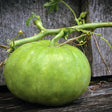
(Praecitrullus fistulosus) This tender and delicious edible gourd is popular in South Asia. Long vines are covered in prickles (similar to a zucchini plant) and will flower and fruit early and abundantly. The fruit is mostly round and averages 3 to 4 ounces each. Harvest fruit when young and tender and fry it or use in curries and soups. This fruit is particularly popular in Punjabi cuisine.

Growing Tips: Trellising is suitable. Provide full sun, ample moisture, rich soil, and a lot of heat. Pick after first frost; dry indoors, or outdoors under cover.

Plant Details

Botanical Name
Praecitrullus fistulosus
Sun Requirement
Full sun
Planting Depth
1 in.
Plant Spacing
18–24 in.
Ideal Temperature
75–90°F
Frost Hardy
No

Growing Guide

When to Grow

Tinda is not frost hardy and wants a lot of heat. Sow directly once the soil has warmed to about 70°F, or, in a short season, start seed indoors about three weeks before the last frost and set plants out after frost has passed. Plant 1 inch deep with the soil at 75–90°F, and space plants 18 to 24 inches apart in full sun. The vines flower and fruit early and abundantly, so the first picking comes well ahead of the big drying gourds.

How to Sow and Plant

  • In longer-season areas, you can sow seeds directly in the garden once soil has warmed to about 70 degrees.
  • Growers with a shorter growing season should start seeds indoors three weeks before last frost.
  • Ideal germination temperature is 75-90 F.
  • Sow seeds 1 inch deep.
  • Gourds can have spotty germination; be sure to plant seeds in good soil with plenty of organic matter.
  • Be patient; seeds can sometimes take up to three weeks to germinate!

How to Grow

  • Set plants out into good, well-drained soil after frost has passed.
  • Set plants 24 inches apart; they will climb and trail, so be prepared for a garden takeover!
  • Keep plants well-watered.
  • Gourds are grown much like squash, and thanks to their tough skin, they are often better at fighting off pests than other cucurbits.
  • A thick layer of mulch is absolutely crucial; the vines will be very difficult to keep weeded once they start trailing. Mulch will help to keep weeds down and retain moisture.

PESTS/SPECIAL CONSIDERATIONS

  • Although they are better at fending off pests than other squash relatives, gourds can be susceptible to a virus called cucumber mosaic virus, which is spread by cucumber beetle damage. To avoid the virus, keep cucumber beetles off of your plants.
  • Kaolin clay is an organic method for deterring cucumber beetles.
  • Beneficials like ladybugs and beneficial nematodes will also help to keep the pests at bay.

How to Save Seeds

  • Gourds are easily cross-pollinated, so it is advisable to isolate different seed-saving varieties up to 1⁄2 mile to ensure seed purity.
  • A minimum of 15 plants of each variety should be grown to avoid inbreeding issues. Harvest fruit before it has dried out when it is still green in color but has developed a tough skin.
  • Scoop seeds to dry; they will remain viable for about 4 years when stored properly in a sealed container in the refrigerator.

FAQ

When do I harvest tinda?

Harvest the fruit while it is young and tender. The fruits are mostly round and average 3 to 4 ounces each.

How is it eaten?

This tender, delicious edible gourd is popular in South Asia and particularly in Punjabi cuisine. Fry the young fruit, or use it in curries and soups.

Are the vines prickly?

Yes — the long vines are covered in prickles, similar to a zucchini plant. Trellising is suitable, and the plants want full sun, ample moisture, rich soil and a lot of heat.
Customer reviews

3 / 5 1 Review
More to grow!
See all Gourd Seeds