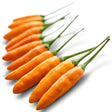
Hot Pepper Seeds,
Yellow Piquin
Min. 10 seeds
FREE U.S. SHIPPING, 2-YEAR GUARANTEE
Description
(Capsicum annuum var. glabriusculum). The Piquin pepper is such a famous and sought-after pepper in Mexico that it is both harvested from the wild and grown in gardens. Its favorite natural habitat is under trees such as the mesquite in semi-dry environments with some good shade. It is, in fact, growing under the trees due to birds stirring seeds from the little pods they ate. Piquin peppers are small and turn red at maturity. This particular variety comes from the village of San Miguel Palmas, in the region of Queretaro in Central Mexico as a unique yellow-fruited plant. Seeds were saved by the grower, Jeronimo Hernandez, who sent some to his son working in South Carolina. He in turn sent some to Baker Creek. Grown in the garden, Piquin peppers tend to get bigger in size due to more nutrients, and they can also stay in full sun. Their unique flavor and pungency will still be there. They can be used fresh, dried, or pickled.
Growing Tips: Yellow Piquin is an heirloom pepper that grows best in rich, well-draining soil. It prefers full sun; however, it can benefit from some afternoon shade during intense summer heat. Starting seeds can take patience, so using a heat mat set to 80 degrees F can help speed up germination. Adding a support stake can also help manage the weight as it begins to bear peppers.
Plant Details
- Botanical Name
- Capsicum annuum var. glabriusculum
- Life Cycle
- Annual
- Sun Requirement
- 8–12 hr.
- Days to Germinate
- 7–10
- Days to Maturity
- 120–150
- Planting Depth
- ¼ in.
- Plant Spacing
- 14–18 in.
- Ideal Temperature
- 70–95°F
- Frost Hardy
- No
Growing Guide
When to Grow
How to Sow and Plant
How to Grow
How to Save Seeds
FAQ
Questions?
Browse our full range of pepper seeds.