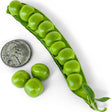
Lincoln Garden Pea pod on a white background with coin to show size.

Pea Seeds,
Lincoln Garden

4.423 ReviewsSKU: #GP104Min. seed count: 60
Price
Regular price $3.50
Regular price $0.00 Sale price $3.50
Save $-3.50
/
FREE SHIPPING IN THE U.S.A.
Faster shipping options also available.

Description

(Pisum sativum) An old-time pea introduced in 1908. High-yielding and tasty, this pea does better than many in warmer weather. The tightly filled pods are easy to shell, and the compact vines are a good choice for small gardens.

Growing Tips: The Lincoln Garden pea does best in well-drained, fertile soil and prefers cool weather, making it ideal for early spring or fall planting. Ensure the plants receive full sun to partial shade for optimal growth. The compact vines are ideal for small gardens and can be easily supported with a small trellis or stakes.

Plant Details

Botanical Name
Pisum sativum
Life Cycle
Annual
Growth Habit
Vining
Sun Requirement
6–12 hr.
Days to Germinate
10–30
Days to Maturity
67
Planting Depth
1 in.
Plant Spacing
4 in.
Ideal Temperature
45–80°F
Frost Hardy
Yes

When to Grow

Lincoln Garden peas thrive in cool weather and are best planted in very early spring, 4-6 weeks ahead of the last frost date. They can tolerate light frost, making them suitable for USDA Zones 3-9. For spring planting, sow the seeds about 4-6 weeks before the last expected frost. For a fall harvest, plant the seeds in late summer to allow them to mature before the first frost. If you’re not sure how to find your first and last frost dates, consult our blog post 'Our Experts Answer Questions, Share Resources.'

How to Sow and Plant

Sow the seeds directly into well-drained, fertile soil. Plant them 1 inch deep and 4 inches apart, with rows spaced 12-18 inches apart. If you are growing them in a bush form, they do not need much support, but using small stakes or a trellis can help keep the plants upright and facilitate harvesting.

How to Grow

Ensure that the pea plants receive full sunlight and maintain consistent moisture, especially during flowering and pod development. Water the plants regularly but avoid waterlogging. Mulching around the plants can help retain soil moisture and suppress weeds. Harvest the pods when they are young and tender to encourage continuous production. Regular harvesting not only boosts yield but also maintains the quality of the peas​​.

How to Save Seeds

Peas will self pollinate. However, to ensure purity, it is best to isolate by 25-50 feet between varieties to dissuade wandering bees from cross pollinating flowers if you are planning to save the seeds.

  • Allow several pods to dry fully on the plant until brown and crisp.
  • Harvest dried pods and shell seeds carefully.
  • Spread seeds out in a well-ventilated area to dry completely.
  • Store in a cool, dry place in an airtight container.
  • Label clearly with variety name and year harvested.

FAQ

Can I grow Lincoln Garden peas in containers?

Yes, Lincoln peas can be grown in containers. Choose a container that is at least 12 inches deep with good drainage. Provide a small trellis or support sticks to keep the plants upright and productive.

How do I water Lincoln Garden peas?

Water the peas regularly, providing about one inch of water per week. In cool spring weather, rainfall might suffice but supplement with additional watering during dry periods. Avoid overhead watering to prevent diseases like powdery mildew.

What is the best way to fertilize Lincoln Garden peas?

Before planting, enrich the soil with compost or well-rotted manure. During the growing season, use a balanced fertilizer high in phosphorus and potassium. Avoid excessive nitrogen, as it can lead to lush foliage but fewer peas.

Browse our full range of pea seeds.
Customer reviews

4.4 / 5 23 Reviews

What gardeners are saying

  • Very sweet peas: Sweeter than most; often eaten raw right in the garden.

  • Keeps producing in heat: Sets pods after other peas quit in summer heat.

  • Dense, heavy pods: Pods packed full; several call it their best pea yield.

  • Easy to shell: Large peas that pop out of the pod easily.

  • Heads up: Several report a slow start; the harvest comes late but heavy.

You may also like