Hot Pepper Seeds,
Rain Forest Chili

4.36 ReviewsSKU: #HPP244
Price
Regular price $4.00
Regular price $0.00 Sale price $4.00
Save $-4
/

Min. 15 seeds

FREE U.S. SHIPPING, 2-YEAR GUARANTEE


Description

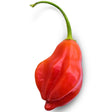
(Capsicum baccatum). This fruity little pepper from the Brazilian rainforest is a sweet and mildly hot treat. Plants reach 5 feet tall and do benefit from staking. They are smothered in 1-1/2 inch, cherry red fruit you will find irresistible for snacking! With a refreshingly crisp texture and sweet flesh with tropical fruit tones and mild to medium heat, this one is a favorite for eating out of hand, pickling, cooking, stuffing, and more.

Growing Tips: The Rain Forest Chili is an heirloom pepper that grows well in compact spaces, making it a great choice for container gardens or smaller plots. To achieve the best results, give the plants full sun exposure and consistent warmth throughout the growing season. We recommend using a heat mat during germination.

Plant Details

Botanical Name
Capsicum baccatum
Life Cycle
Annual
Sun Requirement
8–12 hr.
Days to Germinate
10–14
Days to Maturity
70–90
Planting Depth
¼ in.
Plant Spacing
14–18 in.
Ideal Temperature
70–95°F
Frost Hardy
No

Growing Guide

When to Grow

Start seeds indoors approximately 8-12 weeks before the last expected frost date in your area. Transplant seedlings outdoors only after the danger of frost has passed, and temperatures consistently stay above 65 F. We recommend checking local frost dates and planning accordingly. If you’re not sure how to find your first and last frost dates, consult our blog post 'Our Experts Answer Questions, Share Resources.'

How to Sow and Plant

To start Rain Forest Chili seeds, sow them about 1/4 inch deep in seed-starting trays or small pots indoors. Keep the soil between 80-85 F until seeds germinate. Place the seedlings under grow lights or a bright, sunny window. When transplanting, space the plants about 14-18 inches apart. Alternatively, you can grow these peppers in individual containers, as they adapt well to container growth.

How to Grow

Water regularly, keeping the soil consistently moist but not soggy. Though these plants can tolerate short dry spells, maintaining even moisture helps with growth and fruit development. Apply a balanced fertilizer when planting, and as the plant begins to flower, supplement with a low-nitrogen fertilizer to enhance fruit production. Although these plants are compact, they may need light support as fruits begin to mature.

How to Save Seeds

  • Peppers are mainly self-pollinating, but bees occasionally work pepper flowers as well.
  • To be absolutely sure that you will not have any crossing, different varieties should be isolated by at least 500 feet.
  • To save seed, allow the fruit to mature fully; then simply remove seeds.
  • It is a good idea to wear gloves when working with very hot peppers, and to consider wearing a mask when working with a large quantity of dried seeds.
  • Let seeds dry for a week before storing them in a jar.
  • Pepper seeds will remain viable for up to 5 years.

FAQ

How hot are Rain Forest chili peppers?

They are mild to medium in heat, only a few thousand Scoville Heat Units (SHU), with sweet, tropical-fruity flesh that is pleasant to eat fresh out of hand.

Can Rain Forest chili peppers be grown indoors?

Yes, they are compact enough to be suitable for growing indoors, as long as the plants receive ample sunlight or are placed under grow lights.

How long does it take for Rain Forest chili peppers to mature?

Peppers are typically ready to harvest within 70-90 days after transplanting outdoors.

Browse our full range of pepper seeds.
Customer reviews

4.3 / 5 6 Reviews

What gardeners are saying

  • Prolific producer: Bushy plants load up with peppers well into October.

  • Crunchy with slow heat: Crisp, thin-skinned and sweet, with heat that builds slowly.

  • Wide, bushy plants: Spreads wide rather than tall; vigorous and resilient.

  • A repeat favorite: A favorite for repeat growers; consistent year after year.

  • Heads up: Slow to ripen; pick green or give them a long season.

More to grow!
See all Pepper Seeds