Sweet Pepper Seeds,
Sweet Bonnet

4.114 ReviewsSKU: #HPP238
Price
Regular price $4.00
Regular price $0.00 Sale price $4.00
Save $-4
/

Min. 15 seeds

FREE U.S. SHIPPING, 2-YEAR GUARANTEE


Description

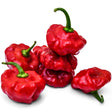
(Capsicum chinense). A sweet spin on the scorching Caribbean classic. Sweet Bonnet sports the charming tam o'shanter-shaped pods of a traditional Scotch Bonnet. The flesh is tropical sweet with the smoky start of a true hot pepper but just a hint of heat. Still, it is much milder than a jalapeño, making it perfect for mild Caribbean recipes or for those who love the fruity sweetness of Scotch Bonnets but can't take the heat!

Growing Tips: Sweet Bonnet peppers are an heirloom variety that thrive in warm, sunny conditions and produce unique, flavorful fruits ideal for fresh eating, sauces, and salads. Make sure they receive full sun and well-draining soil for optimal growth. During germination, you can use a heat mat to help keep the soil warm.

Plant Details

Botanical Name
Capsicum chinense
Life Cycle
Perennial in frost free zones; grown as an annual elsewhere.
Sun Requirement
8–12 hr.
Days to Germinate
7–10
Days to Maturity
80–90
Planting Depth
¼ in.
Plant Spacing
14–18 in.
Ideal Temperature
70–95°F
Frost Hardy
No

Growing Guide

When to Grow

Start seeds indoors in bright light 8-12 weeks before the last frost date in your area. Transplant outdoors after all danger of frost has passed and temperatures remain above 65 F. Refer to your USDA hardiness zone for specific planting dates. If you’re not sure how to find your first and last frost dates, consult our blog post 'Our Experts Answer Questions, Share Resources.'

How to Sow and Plant

Sow Sweet Bonnet seeds 1/4 inch deep in seed-starting trays or small pots indoors. They germinate best at soil temperatures between 80-85 F. Use a heating mat if necessary to keep the soil warm. Place seedlings under grow lights or in a bright, sunny window. Harden off seedlings before transplanting outdoors, spacing plants 14-18 inches apart.

How to Grow

Plant Sweet Bonnet peppers in a sunny location with well-draining soil, ideally with a pH between 6.0 and 7.0. Water regularly to keep the soil evenly moist but not soggy. Fertilize at planting and again when flowering begins with a balanced or low-nitrogen fertilizer to promote fruiting. These compact plants may not need support, but light staking can help as fruits mature.

How to Save Seeds

  • Peppers are mainly self-pollinating, but bees occasionally work pepper flowers as well.
  • To be absolutely sure that you will not have any crossing, different varieties should be isolated by at least 500 feet.
  • It is a good idea to wear gloves when working with very hot peppers, and to consider wearing a mask when working with a large quantity of dried seeds.
  • To save seed, allow the fruit to mature fully; then simply remove seeds.
  • Let seeds dry for a week before storing them in a jar.
  • Pepper seeds will remain viable for up to 5 years.

FAQ

What are good ways to cook Sweet Bonnet peppers?

Sweet Bonnet peppers are versatile in the kitchen because of their mild, fruity flavor. They can be used raw in salads, salsas, and slaws, or cooked in stir-fries, sauces, and Caribbean-inspired dishes. They’re also ideal for making sweet pepper relishes or jams.

Can I grow Sweet Bonnet peppers in containers?

Yes, they are compact and adapt well to containers. Use a pot that is at least 12 inches deep for optimal growth.

Do Sweet Bonnet peppers ripen to a specific color?

Yes, they typically change color as they mature, often turning from green to bright yellow, orange, or red, depending on the variety.

Browse our full range of sweet pepper seeds.
Customer reviews

4.1 / 5 14 Reviews

What gardeners are saying

  • Heavy producer: Plants load up with peppers, more than most can use.

  • Fruity, aromatic flavor: Aromatic pods for eggs, stir fries, salsa and sauces.

  • Big, sturdy plants: Grows into a large bush; give it room and support.

  • Pick fully red: Flavor is best once the pods ripen to a deep red.

  • Heads up: Slow to start; sow early, and heat varies from mild to hot.

More to grow!
See all Pepper Seeds