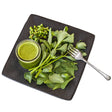
Purslane Seeds,
Green
Description
Low, crawling plant produces tender stems and juicy leaves that are excellent added to salads. Purslane is a powerhouse of plant nutrition and is considered one of the richest sources of omega-3 fatty acids in the plant world. This juicy and totally delectable succulent type plant adds dimension to dishes with its pleasing salty, slightly sour, flavor. Appreciated as a potherb in Europe since antiquity, somehow purslane does not enjoy the same fanfare in America, which is a shame, as the leaves contain the most vitamin A of any green leafy vegetable, and the culinary potential is boundless! A popular green in Mexico that was favored by Jere’s grandmother, who grew up there.
Growing Tips: Tender perennial that self-sows easily. Surface-sow, gently pressing into soil as light aids germination. Harvest before blooming to limit plants' spread.
Plant Details
- Botanical Name
- Portulaca oleracea
- Life Cycle
- Perennial in zones 10–11
- Sun Requirement
- 6–12 hr.
- Days to Germinate
- 14–21
- Days to Maturity
- 35
- Planting Depth
- Surface sow
- Plant Spacing
- 9–12 in.
- Ideal Temperature
- 70–85°F
- Frost Hardy
- No
When to Grow
How to Sow and Plant
How to Grow
How to Save Seeds
FAQ
Should I cover purslane seed with soil?
No. Surface sow it and gently press it into the soil, as light aids germination. At 70 to 85 F, seedlings come up in 14 to 21 days.
Will purslane take over my garden?
It self-sows easily. Harvesting before the plants bloom limits their spread, and if you are concerned about reseeding, simply cut the entire plant back to about 4 inches tall before the flowers open.
What does it taste like and how is it used?
This low, crawling plant produces tender stems and juicy leaves with a pleasing salty, slightly sour flavor that is excellent added to salads. It has been appreciated as a potherb in Europe since antiquity and is a popular green in Mexico.
Alternate domestic shipping options available at checkout.