Radicchio Seeds,
Chioggia 506
Min. 200 seeds
FREE U.S. SHIPPING, 2-YEAR GUARANTEE
Description
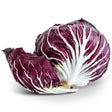
(Cichorium intybus). 100 days. From Sativa Rheinau in Switzerland, this is the best-performing radicchio we have ever grown at our trial farm in Missouri! It’s no wonder these marvelous maroon heads are a firm favorite within the global market gardening community. A reliable and consistent ‘Palla Rossa’ type that produces uniform, dense, globe-shaped hearts. A lover of the cooler weather, these rich wine-red leaves with snow-white veining are perfectly balanced with sweet, savory, and bitter notes that are not too overpowering. It is a choice variety for introducing new people to the bitter flavors of radicchio. These leafy crops are not just delicious in salads but heads can be quartered and braised in stock for a delectable cabbagy-like side. The perfect addition to the patch as these naturally bitter leaves are rich in antioxidants, and contain chemicals that regulate blood sugar, support the heart, and promote a healthy gut.
Plant Details
- Botanical Name
- Cichorium intybus
- Life Cycle
- Biennial
- Sun Requirement
- 6–8 hr.
- Days to Germinate
- 5–10
- Days to Maturity
- 100
- Planting Depth
- ½ in.
- Plant Spacing
- 8–10 in.
- Ideal Temperature
- 45–75°F
- Frost Hardy
- Yes
Growing Guide
When to Grow
How to Sow and Plant
How to Grow
How to Save Seeds
FAQ
Is spring or fall the better sowing for Chioggia 506?
Fall planting usually yields better results. Sow Chioggia 506 into trays in August exactly as you would for spring; this 'Palla Rossa' type is a lover of the cooler weather.
Do I need to blanch or force Chioggia 506 to get its color?
No forcing is needed. Chioggia 506 colors up on its own as the heads firm in cool fall weather; simply let the heads become dense and solid before cutting, and let frost sweeten them.
Is Chioggia 506 too bitter for someone new to radicchio?
The rich wine-red leaves with snow-white veining are perfectly balanced with sweet, savory, and bitter notes that are not too overpowering, making this a choice variety for introducing new people to the bitter flavors of radicchio. Heads are good in salads or quartered and braised in stock.