Rutabaga Seeds,
Marian

41 ReviewSKU: #RT113Min. seed count: 200
Price
Regular price $3.75
Regular price $0.00 Sale price $3.75
Save $-3.75
/
FREE SHIPPING IN THE U.S.A.
Faster shipping options also available.

Description

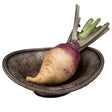
A delicious and vigorous variety from the U.K., this Welsh-bred rutabaga was developed with the allotment garden in mind, which means it is well suited to compact growing spaces like the backyard garden. It is a tasty and reliable rutabaga with tolerance to clubroot and mildew. The yellow-fleshed, purple-tinged roots reach up to 8 inches in diameter and are well suited to late fall/winter harvest and storage.

Growing Tips: Sow late spring to midsummer for fall harvest. Requires 80-90 days to reach large size. Stores best in cool (33F), humid conditions.

Plant Details

Botanical Name
Brassica napus
Life Cycle
Biennial
Sun Requirement
6–12 hr.
Days to Germinate
4–7
Days to Maturity
80–90
Planting Depth
¼ in.
Plant Spacing
6–8 in.
Ideal Temperature
45–85°F
Frost Hardy
Yes

When to Grow

Sow from late spring to midsummer for a fall harvest, allowing 80 to 90 days for the roots to reach full size. A quarter-inch-deep sowing into soil between 45 and 85°F sprouts in 4 to 7 days. Marian is frost hardy and well suited to late fall and winter harvest and storage, and rutabagas taste best when harvested in late fall.

How to Sow and Plant

  • Rutabagas like rich, well-worked soil, so try double digging to ensure a fluffy root zone.
  • Sow seeds 90 days before the first frost date for rutabagas.
  • Thin plants to about 8-12 inches apart.
  • Keep plants moist and well weeded.
  • Seeds germinate in 45-85 F.
  • Sow seeds ¼ inch deep.
  • Seeds germinate in 4-7 days.

How to Grow

  • Growing rutabaga is very similar to growing turnips. They are a long-season crop (longer than turnips), and they require 90-120 days to maturity.
  • Rutabagas are cold tolerant and taste best when harvested in late fall.

PESTS/SPECIAL CONSIDERATIONS

  • Rutabagas are insect pollinated, so they will need ¼ mile spacing from other varieties to ensure pure seeds. (Turnips cross with other turnips but not with rutabagas.)
  • Flea beetles, leaf miners and the cabbage maggot can be controlled in spring crops with row covers. Cover at seeding and seal the edges with soil to exclude the cabbage maggot fly.

How to Save Seeds

  • Like other cabbage family members, these crops are usually biennial, which means they flower in the second year.
  • You will need to either overwinter plants with mulch or row cover, or dig the roots up and replant in the early spring. Digging is preferred because it allows you to select only the largest, choicest roots for seed production.
  • Cut flower stalks when pods have dried, place into a bag and shake seeds loose.
  • Seeds will store for 5 years.

FAQ

Is Marian a good choice for a small garden?

It was bred in Wales with the allotment garden in mind, which means it is well suited to compact growing spaces like the backyard garden. Even so, do not crowd it: the roots swell to 8 inches across, so thin to 6 to 8 inches between plants and keep the row moist and weed-free while they bulk up.

Does Marian resist disease?

It is a tasty and reliable variety with tolerance to clubroot and mildew. For insect pests such as flea beetles, leaf miners and the cabbage maggot, row covers on spring crops help; cover at seeding and seal the edges with soil.

How big do the roots get, and how do they store?

The yellow-fleshed, purple-tinged roots reach up to 8 inches in diameter. They are well suited to late fall and winter harvest and store best in cool, humid conditions around 33°F.
Customer reviews

4 / 5 1 Review
You may also like