Sorrel Seeds,
Bloody Dock

4.813 ReviewsSKU: #HB189
Price
Regular price $3.00
Regular price $0.00 Sale price $3.00
Save $-3
/

Min. 100 seeds

FREE U.S. SHIPPING, 2-YEAR GUARANTEE


Description

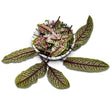
Harvest the pretty leaves when small, and enjoy the famous lemony sorrel flavor in salads, soups and more! So pretty and delicious when young and tender! Stunning foliage plant with elongated, medium green leaves, exquisitely veined in a brilliant burgundy-purple. A hardy perennial, it quickly forms an attractive clump, which sends up red flower clusters in early summer, followed by brown seed heads. A superb, deer-resistant accent plant that is sure to add elegance and flavor to your kitchen.

Growing Tips: Harvest tender leaves starting in early spring, remove flowering tops to keep leaves tender and to prevent unwanted volunteers. May become invasive in some climates.

Plant Details

Botanical Name
Rumex sanguineus
Life Cycle
Perennial
Sun Requirement
6–12 hr.
Days to Germinate
10–14
Days to Maturity
40–60
Planting Depth
¼ in.
Plant Spacing
10–12 in.
Ideal Temperature
65–75°F
Frost Hardy
Yes

Growing Guide

When to Grow

Sow Bloody Dock indoors several weeks before your last frost date, or direct sow 1/4 inch deep once all chance of frost has passed; seeds take 10 to 14 days at an ideal 65-75 F. Space in-ground plants 10 to 12 inches apart, in rows 12 to 18 inches apart, in full sunlight and moist, well-drained soil.

Bloody Dock is a hardy perennial that perennializes in USDA zones 4-8, and the burgundy-veined leaves can be harvested starting in early spring. Cut the entire plant back when the flowering stalk emerges to keep the foliage fresh and attractive and to avoid aggressive self sowing; it may become invasive in some climates.

How to Sow and Plant

  • Sow seeds indoors several weeks before last frost date or direct sow after all chance of frost has passed.
  • Ideal germination temperature is 65-75 F.
  • Sow seeds 1/4 inch deep. Spacing will vary depending on desired harvest size, ranging from microgreens to baby greens to mature plants.

How to Grow

  • Days to maturity will range widely with this plant, from 25 days for microgreens to 40 days for young baby greens and 80 days for mature greens.
  • Microgreens can densely sown in trays. Otherwise grow in ground or in pots. In-ground plants can be spaced 10 inches apart, in rows 12-18 inches apart.
  • Plants grow best in full sunlight and moist, well- drained soil.
  • Cut the entire plant back when flowering stalk emerges to keep fresh, attractive foliage and to avoid aggressive self sowing.

PESTS/SPECIAL CONSIDERATIONS

  • Sorrel can be susceptible to slugs. If you have a slug infestation, consider sprinkling diatomaceous earth around plants.

How to Save Seeds

  • There are many options for propagating rumex.
  • In USDA zones 4-8, simply allow the plants to perennialize.
  • You can also take root cuttings to propagate clonally.
  • Seed saving is also an option; simply allow plants to go to seed and collect the dried, brown seeds in fall.
  • Store in a cool, dark, dry location.

FAQ

When should I pick Bloody Dock leaves?

Harvest the pretty leaves when they are small and tender, starting in early spring, for the famous lemony sorrel flavor in salads and soups. Leaves reach maturity in about 40 to 60 days.

Why cut Bloody Dock back when it starts to flower?

Cutting the entire plant back as the flowering stalk emerges keeps the foliage fresh and attractive and prevents aggressive self sowing. Left to bloom, the clump sends up red flower clusters in early summer, followed by brown seed heads.

Is Bloody Dock worth growing for looks alone?

It earns its spot. The elongated, medium green leaves are exquisitely veined in brilliant burgundy-purple, the plant quickly forms an attractive clump, and it is deer resistant, which makes it a superb accent plant as well as a kitchen green.
Customer reviews

4.8 / 5 13 Reviews

What gardeners are saying

  • Comes back every year: A hardy perennial, among the first greens up in spring.

  • Striking red veins: Deep red veining makes it as ornamental as it is edible.

  • Lemony, sour tang: Tart, lemony leaves for salads, smoothies and sorrel soup.

  • Easy and vigorous: Grows easily and self-seeds; it can spread if left to seed.

  • Heads up: Mature leaves get bitter; pick them small and tender.