Soybean Seeds,
Chiba Green

4.512 ReviewsSKU: #SY113
Price
Regular price $4.00
Regular price $0.00 Sale price $4.00
Save $-4
/

Min. 30 seeds

FREE U.S. SHIPPING, 2-YEAR GUARANTEE


Description

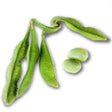
(Glycine max) An even earlier edamame soybean, this one was bred to mature about 10 days before Midori Giant. While this variety is hailed for its productivity and large beans, the flavor and quality are not compromised. Beans taste amazing fresh, steamed, or dried. Plants reach 2 feet tall but remain compact. Beans mature uniformly on the plant for an easier harvest.

Growing Tips: Choose a sunny spot that receives 8-12 hours of direct sunlight daily. Plant in well-draining, fertile soil. Amend the soil with compost or well-rotted manure to improve fertility. The ideal soil pH is slightly acidic to neutral, around 6.0 to 6.5. Plants usually take around 75 days to mature.

Plant Details

Botanical Name
Glycine max
Life Cycle
Annual
Growth Habit
Bush
Sun Requirement
Full sun
Days to Germinate
5–18
Days to Maturity
75
Planting Depth
1 in.
Plant Spacing
6 in.
Ideal Temperature
65–90°F
Frost Hardy
No

Growing Guide

When to Grow

Plant Chiba Green soybeans in the spring after all danger of frost has passed. The soil should be warm, at least 60 F, ideally 65-90 F, for optimal germination and growth. In cooler regions, start seeds indoors no more than 2-3 weeks before the last frost in deep or biodegradable pots, and transplant carefully after hardening off - soybeans resent root disturbance. If you're not sure how to find your area's first and last frost dates, consult our blog post 'Our Experts Answer Questions, Share Resources.'

How to Sow and Plant

Plant seeds 1-2 inches deep and space them about 6 inches apart in rows 18-24 inches apart. Ensure the soil is well-drained and enriched with organic matter. If starting indoors, use biodegradable pots to reduce root disturbance during transplanting. Harden off seedlings before planting them outside.

How to Grow

Keep the soil consistently moist but not waterlogged. Enrich the soil with compost at planting and again mid-season. Avoid nitrogen-rich fertilizers as soybeans fix their own nitrogen​. Monitor for pests like aphids and Mexican bean beetles, and use organic control methods such as neem oil or insecticidal soap if necessary​​.

How to Save Seeds

  • This annual self-pollinating crop will not readily cross with other soybean varieties. However, a distance of 10-20 feet between different soybean varieties will really ensure purity.
  • Allow pods to brown and dry on the plant.
  • If frost or wet weather is expected, pull plants and hang indoors in a warm, dry location until seeds are fully dry.
  • Test with your fingernail; seeds that can't be dented are mature enough to store.
  • Store in a cool, dark, dry location.

FAQ

What are common pests and diseases for Chiba Green soybeans?

Common pests include aphids and Mexican bean beetles. Regular monitoring and organic pest control methods can help manage these issues. Soybeans are also prone to fungal diseases like powdery mildew and root rot, which can be managed by proper spacing and avoiding overhead watering.

How do I know when to harvest Chiba Green soybeans?

Harvest Chiba Green soybeans when the pods are plump but still bright green and tender, about 75 days after planting. Pods fill uniformly, so expect one main harvest - pick the whole plant over a few days rather than returning for a second flush.

What is the best way to store harvested Chiba Green soybeans?

Fresh soybeans can be blanched and frozen or stored in the refrigerator for up to a week.

Browse our full range of soybean seeds.
Customer reviews

4.5 / 5 12 Reviews

What gardeners are saying

  • Easy to grow: Direct sow after frost and mostly leave it alone until harvest.

  • Delicious edamame: Steamed a few minutes in salted water, the pods are delicious.

  • Loaded with pods: Plants bear plenty of pods; blanch them to shell or freeze.

  • Sturdy plants: Strong, healthy plants that stand up without any support.

  • Watch for critters: Rabbits, squirrels and caterpillars go for the plants; cover them.