Winter Squash Seeds,
Jack Be Little

4.326 ReviewsSKU: #SQ160
Price
Regular price $3.00
Regular price $0.00 Sale price $3.00
Save $-3
/

Min. 20 seeds

FREE U.S. SHIPPING, 2-YEAR GUARANTEE


Description

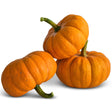
(Cucurbita pepo). This petite pumpkin weighs just 3 to 8 ounces; flat and ribbed. These are highly popular and a top-selling fall crop. The flesh is good to eat, and the skin is bright orange. This type of squash is common in Asia, and pumpkins of this type are offered to the 'spirits' by many in Thailand, where the pumpkins come in 4 or 5 colors.

Growing Tips: Jack Be Little squash thrives in full sun, at least 6 hours of sunlight daily, and well-drained, fertile soil. Enrich the soil with compost or well-rotted manure before planting to provide the nutrients these heavy feeders need. The ideal temperature for optimal growth is between 70 F and 95 F.

Plant Details

Botanical Name
Cucurbita pepo
Life Cycle
Annual
Growth Habit
Vining
Sun Requirement
6–8 hr.
Days to Germinate
5–10
Days to Maturity
90
Planting Depth
½–1 in.
Plant Spacing
18–36 in.
Ideal Temperature
70–95°F
Frost Hardy
No

Growing Guide

When to Grow

Plant Jack Be Little squash seeds after the last frost, when soil temperatures have reached at least 65 F, as squash is extremely sensitive when it comes to frost. In cooler climates, seeds can be started indoors 3-4 weeks before the last frost and transplanted outdoors once the weather warms up. If you’re not sure how to find your first and last frost dates, consult our blog post 'Our Experts Answer Questions, Share Resources.'

How to Sow and Plant

Sow seeds about 1/2 to 1 inch deep in small mounds or rows, spacing them 2-3 feet apart. Water thoroughly after planting. If growing in containers, choose a large pot with good drainage. The plants can be supported with stakes or a trellis to keep the vines off the ground​.

How to Grow

Jack Be Little squash requires regular watering, keeping the soil consistently moist but not waterlogged. Fertilize every few weeks with a balanced fertilizer to encourage healthy growth. Monitor for pests like squash bugs and aphids, using organic methods such as neem oil or insecticidal soap to control them.

How to Save Seeds

  • There are four main species of squash: Cucurbita maxima, C. pepo, C. moschata, and C. mixta. They will not cross pollinate with each other, so it is possible to grow one of each species for seed saving without worrying about cross pollination.
  • If you are planning to grow several varieties of more than one species, you can bag the blossoms and hand pollinate to avoid crossing.
  • Whether it is a summer or winter squash, you must let the fruit completely mature before extracting the seeds, and cure for at least two weeks.
  • Scoop the seeds, place them in a bucket, and add just enough water to cover. Let sit at room temperature to ferment for two days before rinsing off the pulp.
  • Lay seeds out to dry on newspaper or paper plates.
  • Stored in a cool, dry place, seeds will remain viable for up to four years.

FAQ

Can I grow Jack Be Little squash in containers?

Yes, this variety is small enough to be grown in containers. Choose a pot with at least 18 inches in diameter, and ensure it has good drainage. Use a high-quality potting mix and support the vines with a trellis.

What should I do if my Jack Be Little pumpkins aren't turning orange?

If the pumpkins are not turning orange, it may be due to insufficient sunlight, lack of nutrients, or premature harvesting. Ensure the plants receive plenty of sun, fertilize regularly, and wait until the stems dry out and the pumpkins reach a deep orange color before harvesting.

How many Jack Be Little pumpkins can I expect per plant?

Each plant typically produces 10 to 20 miniature pumpkins, depending on growing conditions and care. Regular watering, proper fertilization, and sufficient sunlight will help maximize yield.

Browse our full range of winter squash seeds.
Customer reviews

4.3 / 5 26 Reviews

What gardeners are saying

  • Loads of mini pumpkins: Dozens of pumpkins from just a few vines.

  • Kids love them: A favorite for fall decorating and little hands.

  • Quick to ripen: Sets fruit fast; sow in June or July for Halloween pumpkins.

  • Good eating too: Sweet baked with butter, and they keep well into winter.

  • Heads up: Vines sprawl far, and squash bugs can find them.

More to grow!
See all Squash Seeds