Winter Squash Seeds,
Musquee De Provence Pumpkin

3.872 ReviewsSKU: #SQ152Min. seed count: 15
Price
Regular price $3.00
Regular price $0.00 Sale price $3.00
Save $-3
/
FREE SHIPPING IN THE U.S.A.
Faster shipping options also available.

Description

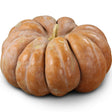
(Cucurbita moschata). These gorgeous, big, flat pumpkins are shaped like large wheels of cheese and are heavily lobed and ribbed. The skin is a beautiful, rich brown color when ripe. The flesh is deep orange, thick, and very fine flavored; fruit grows to 20 lbs each. This traditional variety from southern France is great for fall markets. Pure European seeds.

Growing Tips: Musquee de Provence pumpkins grow best in full sun and require well-drained, fertile soil rich in organic matter. Consistent moisture is essential, especially during fruiting, but avoid overhead watering to reduce the risk of fungal diseases.

Plant Details

Botanical Name
Cucurbita moschata
Life Cycle
Annual
Growth Habit
Vining
Sun Requirement
6–8 hr.
Days to Germinate
5–10
Days to Maturity
120
Planting Depth
½–1 in.
Plant Spacing
18–36 in.
Ideal Temperature
70–95°F
Frost Hardy
No

When to Grow

Sow seeds in late spring or early summer after the last frost when soil temperatures are consistently above 60 F since squash is extremely sensitive to frost. In cooler climates, start seeds indoors 3-4 weeks before the last frost and transplant them once the soil has warmed up sufficiently. Ensure that the planting site receives at least 6-8 hours of direct sunlight daily. If you’re not sure how to find your first and last frost dates, consult our blog post 'Our Experts Answer Questions, Share Resources.'

How to Sow and Plant

Sow seeds 1/2-1 inch deep in rows or hills, spacing plants 18-36 inches apart. If sowing directly outdoors, wait until the soil is warm and all frost danger has passed. For indoor starts, transplant seedlings after they have 3-4 true leaves. Be careful not to disturb the roots when transplanting. Use mulch to retain soil moisture, suppress weeds, and regulate soil temperature​.

How to Grow

Provide consistent watering, especially during dry spells, and avoid wetting the foliage to prevent diseases like powdery mildew. Regular feeding with a balanced organic fertilizer will support healthy growth and fruit production. Consider trellising or using a sling to support the heavy fruit, and prune excess vines to improve airflow and focus the plant's energy on fruit development.

How to Save Seeds

  • There are four main species of squash: Cucurbita maxima, C. pepo, C. moschata, and C. mixta. They will not cross pollinate with each other, so it is possible to grow one of each species for seed saving without worrying about cross pollination.
  • If you are planning to grow several varieties of more than one species, you can bag the blossoms and hand pollinate to avoid crossing.
  • Whether it is a summer or winter squash, you must let the fruit completely mature before extracting the seeds, and cure for at least two weeks.
  • Scoop the seeds, place them in a bucket, and add just enough water to cover. Let sit at room temperature to ferment for two days before rinsing off the pulp.
  • Lay seeds out to dry on newspaper or paper plates.
  • Stored in a cool, dry place, seeds will remain viable for up to four years.

FAQ

How long does it take for Musquee de Provence pumpkins to mature?

These pumpkins typically take about 120 days to mature, depending on growing conditions. The pumpkins are ready to harvest when the rind is hard and the skin has turned from orange-tan to a rich brown, and the stem has begun to dry.

What are common pests and diseases for Musquee de Provence?

Common issues include powdery mildew, squash bugs, and vine borers. To prevent these, ensure good air circulation, monitor plants regularly, and use organic treatments like neem oil or insecticidal soap. Mulching and avoiding overhead watering can also help minimize these problems.

How should I store harvested Musquee de Provence pumpkins?

After harvesting, cure the pumpkins in a warm, dry place for a few weeks, then store them in a cool, dark, and dry area. Properly stored, they can last for several months.

Browse our full range of winter squash seeds.
Customer reviews

3.8 / 5 72 Reviews

What gardeners are saying

  • Big, heavy fruit: Pumpkins commonly weigh 20 to 45 pounds.

  • Resists vine borers: Vigorous vines keep going where borers kill other squash.

  • Keeps all winter: Stores for months on a counter or in a garage.

  • Deep orange flesh: Bright orange and sweet; tastes almost like melon eaten raw.

  • Heads up: Needs a long season; many vines set just one or two fruit.

You may also like