Winter Squash Seeds,
Sibley or Pikes Peak

4.33 ReviewsSKU: #SQ150
Price
Regular price $4.00
Regular price $0.00 Sale price $4.00
Save $-4
/

Min. 20 seeds

Out of stock

FREE U.S. SHIPPING, 2-YEAR GUARANTEE


Description

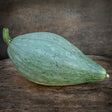
(Cucurbita maxima). This variety produces oblong, teardrop-shaped, slate-blue colored fruit that weigh 9 lbs each. It has thick orange flesh that is sweet and tasty. An excellent keeper, this variety was popular in Missouri and Iowa back to at least the 1840s, believed to be of Native American origin, possibly from Mexico; it was introduced commercially by Hiram Sibley & Co. of New York in 1887.

Growing Tips:The Sibley or Pike's Peak squash is a hardy and productive variety, known for its excellent storage qualities. It prefers rich, well-drained soil with good fertility, and full sun is essential for optimal growth. Ensure consistent watering, especially during dry periods, to support healthy vines and fruit development. Given its vining nature, allow plenty of space for spreading.

Plant Details

Botanical Name
Cucurbita maxima
Sun Requirement
6–8 hr.
Days to Germinate
5–10
Days to Maturity
110
Planting Depth
½–1 in.
Plant Spacing
18–36 in.
Ideal Temperature
70–95°F
Frost Hardy
No

Growing Guide

When to Grow

Start seeds indoors 3-4 weeks before the last frost, or direct sow outdoors once the soil has warmed to at least 70 F, usually in late spring. The Sibley squash needs a long growing season of 110 days, so it's best suited for areas with warm summers. Check local frost dates to determine the best time to plant for you.

How to Sow and Plant

  • Plant in spring or early summer; harvest in fall before a hard frost.
  • You can direct seed or start squash indoors; just be extra careful not to let plants become pot bound! All cucurbits will not tolerate outgrowing their pots; it will stunt their growth.
  • Sow seeds or put out transplants about one to two weeks after the chance of frost has passed, as these plants absolutely cannot handle frost.
  • Sow seeds ½ to 1 inch deep.
  • Germination temperature is 70-95 F.
  • Seeds germinate in 5-10 days.

How to Grow

  • Squash plants like rich, well-drained soil and plenty of sun.
  • If you do not have a lot of space in your garden, be sure to choose bush type squash varieties; otherwise you will have a trailing vine that may crowd other plants. There is a major bonus to growing vine types: The squash vine borer has a much more difficult time killing them than bush types.
  • Sow seeds one foot apart in rows, and rows should be six to 10 feet apart if vining types are grown.
  • When plants get to be about 6 inches tall, you can thin to two to three feet apart in the rows.
  • It can be very tricky to weed around mature plants without disturbing the delicate vines, so weed often when plants are young. As they get older, their massive leaves will help reduce weeds.
  • Winter squash are left on the vine to harden and have a long storage life. Harvest summer squash frequently.

PESTS/SPECIAL CONSIDERATIONS

  • Squash beetles and vine borers are the primary pests. We take a multi-step approach to combating the issue. Aside from crop rotation, we delay planting until after the squash bug season has peaked in late June, and we spray with pyrethrum and neem oil.

How to Save Seeds

  • There are four different species of squash: Cucurbita maxima, C. pepo, C. moschata, and C. mixta. They will not cross pollinate with each other, so it is possible to grow one of each species for seed saving without worrying about cross pollination.
  • If you are planning to grow several varieties of more than one species, you can bag the blossoms and hand pollinate to avoid crossing.
  • Whether it is a summer or winter squash, you must let the fruit completely mature before extracting the seeds, and cure for at least two weeks.
  • Scoop the seeds, place them in a bucket, and add just enough water to cover. Let sit at room temperature to ferment for two days before rinsing off the pulp.
  • Lay seeds out to dry on newspaper or paper plates.
  • Stored in a cool, dry place, seeds will remain viable for up to four years.

FAQ

Does Sibley keep well in storage?

Yes, it is an excellent keeper and is known for its storage qualities. The thick orange flesh is sweet and tasty. The variety was popular in Missouri and Iowa back to at least the 1840s, is believed to be of Native American origin, possibly from Mexico, and was introduced commercially by Hiram Sibley and Co. of New York in 1887.

How large are the fruit and how much room do the vines need?

The oblong, teardrop-shaped, slate-blue fruit weigh about 9 lbs each. Given the vining nature of the plants, allow plenty of space for spreading: sow 1/2 to 1 inch deep with 18 to 36 inches between plants.

How long does it take, and what does it need while growing?

Seeds germinate in 5 to 10 days and the crop matures at about 110 days, so plan for a long season. Give it rich, well-drained soil with good fertility, 6 to 8 hours of full sun, and consistent watering, especially during dry periods. It is not frost hardy.
Customer reviews

4.3 / 5 3 Reviews

What gardeners are saying

  • Rich, dense flavor: Dense, fine-textured flesh, savory with just enough sweetness.

  • Cure before eating: Needs months in storage to sweeten; wait until winter.

  • Big sprawling vines: Vigorous plants that need plenty of room to roam.

  • Fruit sets suddenly: Fruits appear suddenly and size up fast, even after a cool spring.

More to grow!
See all Squash Seeds