Tomato Seeds,
Burmese Sour
Min. 25 seeds
FREE U.S. SHIPPING, 2-YEAR GUARANTEE
Description
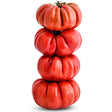
(Solanum lycopersicum). Dramatically ribbed with satiny scarlet flesh, this is one of the most beautiful tomatoes we have grown, and the taste is fantastic as well! It offers a lovely tart flavor superior for cooking. It averages in size from 5 to 10 ounces. Excellent in Burmese tomato salad and curries, as well as a general purpose slicing and saucing tomato. From the South Asian country of Myanmar (Burma).
Growing Tips: Plant in full sun with nutrient-rich, well-draining soil. Water consistently to maintain even soil moisture. Burmese Sour tomatoes are indeterminate, so they will need support like cages or stakes. You can use a heat mat to help speed germination up and keep the soil warm.
Plant Details
- Botanical Name
- Solanum lycopersicum
- Life Cycle
- Annual
- Growth Habit
- Indeterminate
- Sun Requirement
- 6–8 hr.
- Days to Germinate
- 7–14
- Days to Maturity
- 80
- Planting Depth
- ⅛ in.
- Plant Spacing
- 24 in.
- Ideal Temperature
- 75–95°F
- Frost Hardy
- No
Growing Guide
When to Grow
How to Sow and Plant
How to Grow
How to Save Seeds
FAQ
How sour is Burmese Sour, and what is it used for?
It offers a lovely tart flavor that is superior for cooking. The dramatically ribbed fruits have satiny scarlet flesh and average 5 to 10 ounces, and they are excellent in Burmese tomato salad and curries as well as for general slicing and saucing. It comes from the South Asian country of Myanmar (Burma).
What do the seedlings need before they go in the ground?
Once the sprouts appear they require good light to grow well, and they may need to be fed once or twice to make good growth before going outside. Transplant them only after your last spring frost has passed.
Will the plants take a frost at the end of the season?
No, this variety is not frost hardy. Tomatoes are a tropical crop that wants plenty of warm weather and a long season, and Burmese Sour needs about 80 days from transplanting to the first ripe fruit, so plan to bring the crop in ahead of your first fall frost. The vines are indeterminate and will keep setting fruit until then, so give them cages or stakes.