Turnip Seeds,
Hida Beni Red

4.613 ReviewsSKU: #TN124Min. seed count: 300
Price
Regular price $3.00
Regular price $0.00 Sale price $3.00
Save $-3
/
FREE SHIPPING IN THE U.S.A.
Faster shipping options also available.

Description

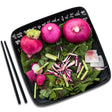
(Brassica rapa). Supremely crisp, sweet, and mild, the white and red, fine-grained flesh makes this a top fresh-eating salad turnip. The greens are super flavorful and tender, and they make superior sautéed greens rich in vitamin A. These beautiful, large, red-skinned turnips are cultivated mainly in Takayama City, Japan. It originated in Hachigago, a former part of Takayama, where a local turnip of a reddish-purple hue was widely grown. In 1918, this red-colored mutant was discovered from these Hachiga turnips and named Hida Beni Red turnip. It is excellent for making pickles and matures in just 45-50 days. A favorite in our Missouri gardens, it does well in both cool and warm weather.

Growing Tips: The Hida Beni Red turnip thrives in cool weather and is best grown in well-drained, fertile soil that is rich in organic matter. The soil should have a neutral to slightly acidic pH, ideally between 6.0 and 7.5. This turnip prefers full sun but can tolerate partial shade, especially in warmer climates. Consistent watering is essential to keep the soil moist but not waterlogged, as dry conditions can result in woody roots and poor growth.

Plant Details

Botanical Name
Brassica rapa
Life Cycle
Biennial
Sun Requirement
Full sun
Days to Germinate
4–7
Days to Maturity
45–50
Planting Depth
¼ in.
Plant Spacing
5 in.
Ideal Temperature
45–85°F
Frost Hardy
Yes

When to Grow

Hida Beni Red turnips are cool-season crops and can be planted either in early spring or late summer. For spring crops, sow the seeds as soon as the soil can be worked, usually 2-3 weeks before the last expected frost. For fall or winter harvests, plant the seeds in late summer to early fall. The ideal temperature range for growing these turnips is between 45 F and 85 F. The exact planting times may vary, so check local frost dates to plan accordingly. If you’re not sure how to find your area's first and last frost dates, consult our blog post 'Our Experts Answer Questions, Share Resources.'

How to Sow and Plant

Sow Hida Beni Red seeds directly in the garden, as they do not transplant well. Plant the seeds about 1/4 to 1/2 inch deep, spacing them 1-2 inches apart in rows that are 12-18 inches apart. Once the seedlings have emerged and are a few inches tall, thin them to about 5 inches apart to give the roots ample space to develop. This thinning process is crucial for healthy root formation.

How to Grow

To ensure good growth, side-dress the plants with compost or a balanced fertilizer about halfway through the growing season. Water regularly, aiming to provide about 1 inch of water per week, and keep the soil consistently moist. Mulching around the plants can help retain moisture and prevent weeds. Turnips can be harvested when the roots reach 2-3 inches in diameter for the best flavor and texture.

How to Save Seeds

To save seeds, allow the plants to flower and set seed. Once the seed pods have dried, harvest and store the seeds in a cool, dry place. Ensure that no other Brassica species are flowering nearby to prevent cross-pollination.

FAQ

When should I harvest Hida Beni Red turnips for the best flavor?

Harvest the turnips when they reach 2-3 inches in diameter. This size ensures the roots are tender and flavorful.

What pests should I watch out for when growing Hida Beni Red turnips?

Common pests include root maggots and flea beetles. Regular monitoring and preventative measures can help protect your crop from these insects.

Can I grow Hida Beni Red turnips in partial shade?

Yes, while full sun is ideal, Hida Beni Red turnips can tolerate partial shade. However, reduced sunlight may slightly affect growth.

Browse our full range of turnip seeds.
Customer reviews

4.6 / 5 13 Reviews

What gardeners are saying

  • Vivid red color: Bold, vibrant red roots; a feast for the eyes before the table.

  • Mild, crisp and sweet: Juicy, mildly radish-like; good raw, sliced thin or roasted.

  • Greens worth eating: Tender, tangy greens for salads, smoothies or cooking.

  • Fast and easy: Direct sow and harvest fast; roots stay tender even when large.

  • Turnip converts: Won over several who did not like turnips before.

You may also like