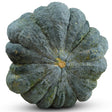
Thai Kang Kob Winter Squash on a white background.

Winter Squash Seeds,
Thai Kang Kob Pumpkin

3.815 ReviewsSKU: #SQ204Min. seed count: 10
Price
Regular price $4.00
Regular price $0.00 Sale price $4.00
Save $-4
/
FREE SHIPPING IN THE U.S.A.
Faster shipping options also available.

Description

(Cucurbita moschata). A lovely sea-green squash that turns to chestnut brown in storage; pumpkin-shaped, very ribbed and warted. Weighs about 6 to 8 lbs and is a favorite here at Baker Creek; vines produced well and had good resistance to squash bugs and other pests. The orange flesh is richly flavored, sweet and fragrant; great for curries, soups, stir fries, and more. Andrew Kaiser brought back this great variety from Thailand in 2006. Good for fall displays and markets.

Growing Tips: Direct seed or set out transplants after last frost date. Don't let transplants become rootbound; don't disturb roots while transplanting. This squash thrives in rich, well-draining soil with full sun exposure. Regular watering and monthly feedings with compost tea or organic fertilizer encourage robust vines and abundant fruit. Protect young plants from squash vine borers and powdery mildew with row covers and proper spacing. Harvest when rinds become very hard.

Plant Details

Botanical Name
Cucurbita moschata
Life Cycle
Annual
Growth Habit
Vining
Sun Requirement
Full sun
Days to Germinate
5–10
Days to Maturity
110
Planting Depth
½–1 in.
Plant Spacing
18–36 in.
Ideal Temperature
70–95°F
Frost Hardy
No

When to Grow

Start seeds indoors 3–4 weeks before the last frost date or direct sow outdoors once the soil is consistently above 70°F. In very warm regions, a second sowing in midsummer can produce a late fall harvest. If you’re not sure how to find your first and last frost dates, consult our blog post 'Our Experts Answer Questions, Share Resources.'

How to Sow and Plant

Plant seeds about 1 inch deep in nutrient-rich soil that is loose and well-draining. Space seeds 18-36 inches apart, allowing room for sprawling vines. Sow in mounds or raised rows to improve drainage and encourage strong root development. Water thoroughly after planting and maintain even soil moisture.

How to Grow

Once seedlings have several true leaves, thin them to the strongest plants. Train vines across the ground or onto sturdy trellises to save space and promote good air circulation. Deep, regular watering during flowering and fruit set is key to healthy development. Harvest when rinds are hard and skin color deepens.

How to Save Seeds

  • There are four main species of squash: Cucurbita maxima, C. pepo, C. moschata, and C. mixta. They will not cross pollinate with each other, so it is possible to grow one of each species for seed saving without worrying about cross pollination.
  • If you are planning to grow several varieties of more than one species, you can bag the blossoms and hand pollinate to avoid crossing.
  • Whether it is a summer or winter squash, you must let the fruit completely mature before extracting the seeds, and cure for at least two weeks.
  • Scoop the seeds, place them in a bucket, and add just enough water to cover. Let sit at room temperature to ferment for two days before rinsing off the pulp.
  • Lay seeds out to dry on newspaper or paper plates.
  • Stored in a cool, dry place, seeds will remain viable for up to four years.

FAQ

Questions?

Browse our full range of winter squash seeds.
Customer reviews

3.8 / 5 15 Reviews

What gardeners are saying

  • Sweet, tender flesh: Deep orange, sweet flesh for curries, soups, pies and muffins.

  • Big rambling vines: Vines sprawl and climb fences; give this one plenty of room.

  • Large fruit: Pumpkins can reach 10 to 30 pounds.

  • Long keeper: Cures to a tan-chestnut shell and stores up to a year indoors.

  • Heads up: Fruit set can be light, and squash bugs are hit or miss.

You may also like