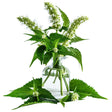
Agastache Seeds,
White Liquorice
Faster shipping options also available.
Description
(Agastache rugosa). An herbaceous perennial, hardy in zones 4-8, that blooms in the first year. Plants reach 3 feet tall and overflow with fragrant white flowers. Nectar-rich flower spikes bloom from summer well into autumn, making this an ideal choice for pollinator gardens, mixed beds, and borders. Flowers and leaves emanate a sweet minty aroma and make a delightful cup of herbal tea. Perfect for bee lovers and tea lovers!
Growing Tips: White Liquorice is a striking white-flowered form of Korean mint, offering the same vigorous, easy-going character of the species with elegant, nectar-rich white flower spikes that light up the late-season garden. Its sweet, minty foliage and flowers are excellent fresh or dried for herbal tea and are highly attractive to bees and other pollinators from summer well into autumn. Plants are strong self-sowers and will naturalize reliably in the garden over time.
Plant Details
- Botanical Name
- Agastache rugosa
- Life Cycle
- Perennial
- Sun Requirement
- Full sun
- Days to Germinate
- 14–21
- Days to Maturity
- 90–100
- Planting Depth
- Surface sow
- Plant Spacing
- 12 in.
- Ideal Temperature
- 60–90°F
- Frost Hardy
- Yes
When to Grow
How to Sow and Plant
How to Grow
How to Save Seeds
FAQ
How does White Liquorice differ from other Agastache rugosa varieties?
White Liquorice agastache produces pure white flower spikes rather than the lavender-purple blooms typical of the species, offering a softer, more neutral color that pairs beautifully with other garden plants while sharing all the same fragrance and pollinator appeal.
What does White Liquorice taste and smell like?
The foliage and flowers have a sweet, minty aroma with anise and licorice undertones characteristic of Agastache rugosa. Both can be used fresh or dried to brew a naturally fragrant and flavorful herbal tea.
Will White Liquorice spread in the garden?
Yes—plants self-sow readily and will naturalize over time. Deadheading spent flower spikes will limit spreading, while allowing a few to go to seed encourages a healthy, expanding planting.
Browse our full range of hyssop and agastache seeds.