Ageratum Seeds,
Leda

4.68 ReviewsSKU: #FL887Min. seed count: 100
Price
Regular price $3.00
Regular price $0.00 Sale price $3.00
Save $-3
/
FREE SHIPPING IN THE U.S.A.
Faster shipping options also available.

Description

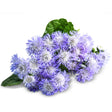
(Ageratum houstonianum). The fluffy blooms create clouds of soft periwinkle in the garden. A must-have for landscaping, cottage gardens, container gardening, or anywhere needing a soothing floral element. Tidy plants are simply covered in a sea of lovely blooms. It is a perfect bedding plant, and an easy-to-grow mid-season bloomer in the most pleasing color.

Growing Tips: Leda is a classic periwinkle-flowered ageratum that produces an exceptionally dense covering of soft, fluffy blooms throughout the mid-season garden. Its reliable, tidy habit and soothing blue-violet color make it one of the most versatile and universally appealing bedding plants available. Deadhead spent blooms regularly to maintain the plant's characteristic dense, cloud-like appearance and encourage continuous flowering. Leda performs equally well as a landscape mass planting, a container specimen, and a cottage garden filler. 

Plant Details

Botanical Name
Ageratum houstonianum
Life Cycle
Annual
Sun Requirement
6–8 hr.
Days to Germinate
7–10
Days to Maturity
85–90
Planting Depth
Surface sow
Plant Spacing
9–12 in.
Ideal Temperature
75–80°F
Frost Hardy
No

When to Grow

Start seeds indoors 6 to 8 weeks before the last expected frost date, as ageratum is a warm-season annual that should not be transplanted outdoors until all danger of frost has passed. Seeds require light to germinate and should be surface sown without covering. Maintain warm soil temperatures of 70–75°F during germination for best results. In warm climates, a second sowing in midsummer can provide a fresh flush of blooms to carry the garden into fall. If you're not sure how to find your first and last frost dates, consult our blog post Our Experts Answer Questions, Share Resources.

How to Sow and Plant

Surface sow seeds by pressing them lightly into moist, well-drained soil without covering. Ageratum prefers fertile, consistently moist, well-drained soil and does not perform well in dry or compacted conditions. Space transplants or thin seedlings to 6 to 9 inches apart to allow for good airflow and the plant's naturally tidy, mounding habit. Incorporating compost into the planting area before setting out transplants will support healthy, season-long growth and flowering.

How to Grow

Keep soil consistently moist throughout the growing season, as ageratum is sensitive to drought stress and will decline quickly in dry conditions. Mulching around plants helps retain moisture and moderate soil temperatures during the heat of summer. Apply a balanced fertilizer every four to six weeks to support the continuous bloom production Leda is known for. Deadhead spent flower clusters regularly to keep plants tidy and blooming vigorously from mid-season through the first frost.

How to Save Seeds

Allow a few flower heads to dry fully on the plant at the end of the season. Ageratum produces small seeds within the dried flower clusters; seeds are ready when the heads are fully dry and papery.

  • Cut dried flower heads and place in a paper bag to finish drying and capture any seeds that fall
  • Gently crush or rub dried heads to release seeds, then clean away chaff
  • Allow seeds to dry completely before storing
  • Store in a sealed container in a cool, dry, dark place for up to 2 years

FAQ

What color are Leda ageratum flowers?

Leda produces soft periwinkle blooms—a classic blue-violet shade that is one of the most sought-after colors in the summer garden and pairs beautifully with whites, pinks, and warm yellows in mixed plantings.

When does Leda ageratum bloom?

Leda is described as a mid-season bloomer, typically coming into its best display from midsummer onward. Starting seeds early indoors will maximize the length of its blooming season before fall frost arrives.

Is Leda ageratum suitable for cutting and fresh arrangements?

Yes—the fluffy, cloud-like flower clusters add soft texture and a distinctive periwinkle color to fresh arrangements. Cut stems when clusters are fully open and condition in water immediately for best vase life.

Browse our full range of ageratum seeds.
Customer reviews

4.6 / 5 8 Reviews

What gardeners are saying

  • Nonstop soft-blue blooms: Dainty lavender-blue flowers all season, no deadheading.

  • Compact and tidy: Short plants suited to edging, drifts and containers.

  • Easy from seed: Good germination and transplants without complaint.

  • Good companion: Blends with purple, blue and yellow flowers in beds.

  • Start early: Slow to first bloom; sow indoors early, a heat mat helps.

You may also like