Bok Choy Seeds,
Shanghai Green
Description
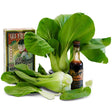
(Brassica rapa subsp. chinensis). A delicious jade green baby type in high demand with top chefs. The small plants are upright and have light green stems. Equally suited for home gardens and farming, the plants' unique curvature and chartreuse petioles make this a stand out at market. They are extra tender and finely flavored, making them a coveted variety among culinarians in the know.
Growing Tips: Shanghai Green thrives in well-drained, fertile soil enriched with organic matter such as compost. Consistent watering is essential, as the plant prefers moist but not waterlogged soil. Mulching around the plants can help retain moisture and keep the roots cool.
Plant Details
- Botanical Name
- Brassica rapa subsp. chinensis
- Life Cycle
- Annual
- Sun Requirement
- 4–6 hr.
- Days to Germinate
- 10–14
- Days to Maturity
- 35–55
- Planting Depth
- ¼ in.
- Plant Spacing
- Thin to 12 in.
- Ideal Temperature
- 60–80°F
- Frost Hardy
- Yes
When to Grow
How to Sow and Plant
How to Grow
How to Save Seeds
FAQ
Can Shanghai Green be grown in containers?
Yes, this variety is well-suited for container gardening. Choose a container that is at least 6 inches deep and has good drainage. Use a potting mix enriched with compost, and place the container in a location that receives 4-6 hours of sunlight daily.
How do I prevent Shanghai Green bok choy from bolting?
Bolting occurs when bok choy sends up a flower stalk prematurely. In spring the usual cause is extended cold after the seedling stage, below about 50 F, so sow around the last frost date rather than weeks ahead of it; in summer, heat and drought stress can bring it on instead. Maintain consistent soil moisture, and provide partial shade in warmer climates. Mulching can also help regulate soil temperature.
What are common pests for Shanghai Green bok choy, and how can I manage them?
Common pests include cabbage worms, aphids, and flea beetles. To manage these pests, consider using row covers to protect young plants, manually remove pests when spotted, and use organic insecticides like neem oil if necessary. Companion planting with herbs like mint or thyme can also help deter pests.
Browse our full range of bok choy and tatsoi seeds.
Alternate domestic shipping options available at checkout.