Bean Seeds,
Red Swan Bush

4.642 ReviewsSKU: #BN181Min. seed count: 40
Price
Regular price $4.00
Regular price $0.00 Sale price $4.00
Save $-4
/
FREE SHIPPING IN THE U.S.A.
Faster shipping options also available.

Description

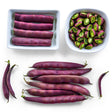
(Phaseolus vulgaris) Bush bean. This stringless snap has a delicious, robust beany flavor and is a most uniquely colored bean, nearly a true red shade on the thick, flavorful pods, with lovely pink flowers, too! This wonderful variety pleases the senses and yields well. A beautiful selection from the late Robert Lobitz, the Minnesota bean man.

Growing Tips: Red Swan bush beans are easy to grow and highly productive. They thrive in full sun and well-drained soil with consistent moisture. Soil temperatures should be between 70-80 F for optimal germination. Avoid over-fertilizing with nitrogen to prevent excessive foliage growth and delayed pod production. Instead, focus on balanced fertilization and consider using a bean inoculant to enhance plant growth and yield.

Plant Details

Botanical Name
Phaseolus vulgaris
Life Cycle
Annual
Growth Habit
Bush
Sun Requirement
Full sun
Days to Germinate
7–14
Days to Maturity
55
Planting Depth
½–1 in.
Plant Spacing
4 in.
Ideal Temperature
70–80°F
Frost Hardy
No

When to Grow

Plant Red Swan bush beans after the last frost, once soil temperatures have warmed to 70-80 F for best germination; never sow into cold, wet soil. This typically falls in mid to late spring. For specific frost dates in your area, refer to local agricultural extensions or the USDA Plant Hardiness Zone map​​. If you’re not sure how to find your first and last frost dates, consult our blog post 'Our Experts Answer Questions, Share Resources.'

How to Sow and Plant

Soak seeds overnight. Sow seeds directly in the garden about 1/2 to 1 inch deep and about 4 inches apart, with rows spaced 18 to 24 inches apart. Germination occurs within 4 to 10 days under optimal conditions. For a continuous harvest, plant new seeds every 3 to 4 weeks throughout the growing season. First harvest will generally be ready about 55 days from planting.

How to Grow

Bush beans need consistent moisture, especially during flowering and pod formation. Water regularly but avoid waterlogging. Ensure they receive at least 6 hours of direct sunlight daily. Harvest beans before seeds bulge for the best texture and flavor. Regular picking every 2 to 3 days encourages ongoing production​.

How to Save Seeds

  • Common beans do not easily cross pollinate and can be grown close to one another, making them the ideal seed-saving project for beginners.
  • Save seeds from the best-looking, best-tasting, and most vigorous beans.
  • Leave pods on the plant to dry. Pull the plants and shake them vigorously into a bag to release the beans from the pods (same as you would for using them as dried beans).
  • Store in a cool, dry place for the winter (a glass jar in the refrigerator works well!).

FAQ

What are Red Swan bush beans?

Red Swan Beans are a cross between a purple snap bean and a pinto bean, known for their unusual pods in a near-true red shade and succulent flavor. They are stringless and have a romano bean-like texture.

How long do they take to mature?

Red Swan bush beans typically mature in about 55 days from planting.

Can Red Swan bush beans be grown in containers?

Yes, they can be grown in containers with well-draining soil. Ensure the container is large enough to accommodate their root system and place it in a location that receives ample sunlight.

How much water do Red Swan bush beans need?

Maintain consistently moist soil without overwatering. Beans need about 1 inch of water per week, either from rainfall or irrigation, and the soil should never be left saturated.

Browse our full range of bean seeds.
Customer reviews

4.6 / 5 42 Reviews

What gardeners are saying

  • Striking red pods: Rose-red pods and pink blooms are easy to spot at picking time.

  • Early to bear: Often the first bush bean in the garden ready to pick.

  • Prolific for most: Heavy yields for most; a few found them modest or short-lived.

  • Buttery and tender: Sweet, buttery and stringless for most; a few find it mild.

  • Heads up: Pods turn green once cooked; some plants sprawl and want support.

You may also like