Cabbage Seeds,
Kalibos

3.928 ReviewsSKU: #CB119Min. seed count: 300
Price
Regular price $4.00
Regular price $0.00 Sale price $4.00
Save $-4
/
Shipping calculated at checkout.

Description

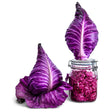
(Brassica oleracea). Incredibly graceful appearance would qualify Kalibos for the flower garden, but this European variety is eminently useful as well! The conical, long, heart-shaped, 2-pound heads of deep red are on the small side, ideal for a single dish. The color is so beautiful when the leaves are shredded into slaw, and the flavor is mild and very sweet. They're good keepers as well, allowing you to enjoy your fall harvest well into winter.

Growing Tips: Kalibos cabbage grows best in cooler climates and is ideal for autumn and winter harvesting. This variety prefers full sun and well-drained, fertile soil, rich in organic matter. Keep the soil evenly moist.

Plant Details

Botanical Name
Brassica oleracea
Life Cycle
Biennial
Sun Requirement
Full sun
Days to Germinate
7–10
Days to Maturity
85
Planting Depth
¼ in.
Plant Spacing
18–20 in.
Ideal Temperature
50–75°F
Frost Hardy
Yes

When to Grow

Kalibos cabbage can be grown for both early spring and autumn harvests. For a spring crop, start seeds indoors about 4-6 weeks before transplanting, and set the hardened-off seedlings outdoors 2-4 weeks before the last expected frost, as this cabbage tolerates light frost. For an autumn harvest, sow seeds directly outdoors or start them indoors and transplant them in early to mid-summer. If you’re not sure how to find your first and last frost dates, consult our blog post 'Our Experts Answer Questions, Share Resources.'

How to Sow and Plant

Sow Kalibos seeds about 1/4 inch deep in seed-starting mix or directly in the garden. When transplanting, space the plants about 18-20 inches apart to allow sufficient room for growth. The soil should be well-prepared with plenty of organic matter, and it should be firm but well-draining to prevent issues like club roots. Aim for a soil pH between 6.0 and 7.5.

How to Grow

Kalibos cabbage requires consistent moisture, so regular watering is essential, especially during dry spells. It's a heavy feeder, so apply a nitrogen-rich fertilizer early in the growing season and again mid-season to support leaf development. Kalibos also benefits from mulching, which helps retain soil moisture and suppress weeds. This cabbage variety is quite resilient and can withstand light frosts, which often enhance its sweetness.

How to Save Seeds

  • If you plan to save seeds, isolate plants from other members of the cabbage species (kale, collards, broccoli, Brussels sprouts and cauliflower) by up to one mile to avoid cross pollination.
  • Cabbage is biennial, blooming only after experiencing a winter's chill, and will require overwintering with heavy mulch and row cover in cool winter areas.
  • For those with very harsh winters, consider digging up and placing in a root cellar until hard frost has passed.
  • In the second season, when flowers have passed and seed pods have dried, dig up the plants and hang upside down to dry.
  • Dried pods can be placed in a sack and crushed to release seeds. Remove chaff and detritus.
  • Place seeds in a glass jar and refrigerate for up to 5 years.

FAQ

How long does it take for Kalibos cabbage to mature?

Typically, Kalibos takes around 85 days to reach maturity, depending on growing conditions.

Can Kalibos cabbage tolerate frost?

Yes, it can tolerate light frosts, which can actually improve its flavor.

What spacing is best for Kalibos cabbage?

Space plants about 18-20 inches apart to ensure adequate air circulation and growth space.

Browse our full range of cabbage seeds.

FREE SHIPPING IN THE U.S.A.
Alternate domestic shipping options available at checkout.
You may also like