Calendula Seeds,
Pink Surprise

4.320 ReviewsSKU: #FL201Min. seed count: 50
Price
Regular price $3.00
Regular price $0.00 Sale price $3.00
Save $-3
/
FREE SHIPPING IN THE U.S.A.
Faster shipping options also available.

Description

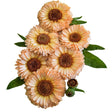
(Calendula officinalis). A lovely calendula with apricot flowers tinged with pink. Truly something new and exciting! Frilly flowers bloom over a long season.

Growing Tips: Pink Surprise calendula is not only visually appealing but also attracts a variety of beneficial insects such as bees and butterflies. It grows best in full sun but can tolerate partial shade, especially in hot climates. The plant prefers well-draining soil that is moderately fertile.

Plant Details

Botanical Name
Calendula officinalis
Life Cycle
Self-seeding annual
Sun Requirement
Full sun
Days to Germinate
7–14
Days to Maturity
55
Planting Depth
¼ in.
Plant Spacing
10 in.
Ideal Temperature
65–70°F
Frost Hardy
Yes

When to Grow

Pink Surprise calendula grows best in cooler weather and can be planted in both spring and fall. In colder climates, sow seeds in early spring as soon as the soil can be worked. In warmer regions, fall sowing will provide a vibrant display through the cooler months. Calendula can tolerate light frost and may continue to bloom into early winter in milder climates​. If you’re not sure how to find your first and last frost dates, consult our blog post 'Our Experts Answer Questions, Share Resources.'

How to Sow and Plant

Pink Surprise calendula can be grown from seed either directly in the garden or started indoors. For direct sowing, plant seeds about 1/4 inch deep in well-drained soil and cover lightly. When starting indoors, begin 4–6 weeks before the last frost. Maintain a soil temperature of 65–70 F for optimal germination. Space seedlings about 10 inches apart once they have sprouted to allow for good air circulation​.

How to Grow

Calendula prefers full sun but can tolerate partial shade, especially in hot climates. It grows best in well-draining soil that is not overly fertile. Regular watering is important until the plants are established, after which they can tolerate occasional drought. Deadheading spent blooms will encourage continuous flowering, and pinching back the plants can promote bushier growth​. Calendula self-seeds readily, so allowing some flowers to go to seed can provide a natural source of new plants for the following year​.

How to Save Seeds

Plants easily self-sow the following spring. If growing more than one variety of calendula, you will need to isolate by 1/4 mile from any other calendula varieties, or you can use caging techniques. Seeds are easy to save; the heads turn brown and seeds can easily be harvested in fall. Keep in a cool, dry, dark place until next spring.

FAQ

Can Pink Surprise calendula be grown indoors?

It can be grown in a container, but it needs real sun, at least 6 hours of direct light or a grow light indoors, along with cool conditions and well-draining soil. In a warm, dim room it stretches and flowers poorly, so it is best kept outdoors in spring and fall.

What are the common pests and diseases that affect Pink Surprise calendula?

While Calendula is generally resistant to pests, it can sometimes attract aphids and whiteflies. These can be managed using insecticidal soap or neem oil. The plant is also susceptible to powdery mildew, which can be prevented by ensuring good air circulation and avoiding overhead watering.

What makes Pink Surprise calendula different from other calendulas?

Its apricot flowers are tinged with pink, a color combination that is truly something new among calendulas, and the frilly blooms keep coming over a long season while drawing bees, butterflies, and other beneficial insects.

Browse our full range of calendula seeds.
Customer reviews

4.3 / 5 20 Reviews

What gardeners are saying

  • Peach and copper blooms: Full, two-tone blooms, more apricot than pink in most gardens.

  • Blooms for months: Keeps flowering for months once it starts, even in a wet summer.

  • Hardy little plants: Low-care, compact plants that bounce back after rough weather.

  • Heads up: Germination is spotty for some; caterpillars like the leaves too.

You may also like