Cauliflower Seeds,
Durgesh 41

4.54 ReviewsSKU: #CA110Min. seed count: 150
Price
Regular price $3.50
Regular price $0.00 Sale price $3.50
Save $-3.50
/
FREE SHIPPING IN THE U.S.A.
Faster shipping options also available.

Description

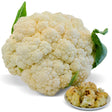
(Brassica oleracea). A big, beautiful, and seriously vigorous cauliflower from India, Durgesh 41 is super reliable. The tough plants can withstand more heat than other varieties and will produce high-quality heads that hold up beautifully to shipping and storage. The heavy heads are often tinged in lavender and have extra-fine flavor. This self-blanching variety is highly recommended for home or market gardening for shipping quality, taste, and reliability.

Growing Tips: Durgesh 41 is a cauliflower variety that thrives in cool weather and has good heat tolerance, making it suitable for various growing conditions. It requires full sun and prefers rich, well-drained soil with a pH of 6.0-7.5. Regular watering is crucial to maintain soil moisture and prevent stress.

Plant Details

Botanical Name
Brassica oleracea
Life Cycle
Biennial
Sun Requirement
6–12 hr.
Days to Germinate
7–10
Days to Maturity
80
Planting Depth
¼–½ in.
Plant Spacing
18–20 in.
Ideal Temperature
50–75°F
Frost Hardy
Yes

When to Grow

Plant Durgesh 41 cauliflower seeds in early spring or late summer. For a spring harvest, start seeds indoors 6-8 weeks before the last-frost date and transplant out 2-4 weeks before the last frost; for a fall harvest, direct seed or transplant in midsummer. If you’re not sure how to find your first and last frost dates, consult our blog post 'Our Experts Answer Questions, Share Resources.'

How to Sow and Plant

Sow seeds 1/4 to 1/2 inch deep in seed trays and keep them at a temperature of around 50-75 F until germination. Transplant seedlings 18-20 inches apart in rows that are 24-36 inches apart once they are 4-5 weeks old. Ensure the site is sunny and has fertile, well-draining soil.

How to Grow

Water Durgesh 41 cauliflower consistently to keep the soil evenly moist. Use mulch to conserve moisture and control weeds. Fertilize every 3-4 weeks with a balanced fertilizer to support growth. To keep heads white, use the blanching technique by covering them with leaves when they are 2-3 inches in diameter.

How to Save Seeds

  • For a seed saving crop, isolate cauliflower from other brassicas (such as broccoli and kale) by one mile to avoid cross pollination.
  • Select your best plants to keep for seed and leave them to flower.
  • In short-season areas with harsh winters, the plants can be mulched and left in the ground with a row cover, and in the second season the plant will send up flower stalks from the head. As they mature, they will become seed pods.
  • Once the plant has died back and the seed stalks/pods are brown and dry, pull the entire plant and hang it for up to two weeks in a dry, well-ventilated area.
  • Break open the seed pods with your hands or a rolling pin over a container such as a bowl or plate, and separate and extract the seeds.
  • Properly stored (keep them cool and dry!), the seeds of cauliflower and other brassicas will be viable for up to five years.

FAQ

How long does it take for Durgesh 41 cauliflower to mature?

It typically takes around 80 days to reach maturity, depending on growing conditions.

What are some common pests for Durgesh 41 cauliflower?

Common pests include aphids, cabbage worms, and flea beetles. Organic pest control methods, such as neem oil and physical barriers, can help protect your plants.

How can I prevent my Durgesh 41 cauliflower from bolting?

Keep the soil consistently moist and provide shade during hot weather to prevent bolting. Additionally, avoid stress caused by fluctuating temperatures.

Browse our full range of cauliflower seeds.
Customer reviews

4.5 / 5 4 Reviews

What gardeners are saying

  • Handles Southern heat: Grows easily through Florida winters and takes Louisiana heat.

  • Easy and resilient: Little effort, no disease trouble, white self-blanching heads.

  • Compact plants, big heads: Big heads on compact plants, so more harvest in less space.

You may also like