Celery Seeds,
D'Elne

4.410 ReviewsSKU: #CE113Min. seed count: 200
Price
Regular price $4.00
Regular price $0.00 Sale price $4.00
Save $-4
/
FREE SHIPPING IN THE U.S.A.
Faster shipping options also available.

Description

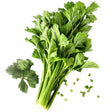
(Apium graveolens) This short and stout, refined and reliable celery hails from France. We love this variety for its relative ease of growing and nutritious green stalks with gourmet flavor. It performed very well in our trials and our taste tests. These upright, tidy plants average 18 inches tall and have crisp, sweet flavor. Growing gorgeous celery can be easy when you choose an easier-to-grow variety like this and provide rich soil, even moisture, and relatively mild weather.

Growing Tips: D'Elne celery is a popular variety that thrives in cool weather, rich soil, and even moisture. It is known for its crisp and sweet flavor and makes a great addition to salads and soups. It reaches maturity in around 85 days, with sprouts forming in 15-20 days.

Plant Details

Botanical Name
Apium graveolens
Life Cycle
Biennial
Sun Requirement
6–8 hr.
Days to Germinate
15–20
Days to Maturity
85
Planting Depth
Surface sow
Plant Spacing
10 in.
Ideal Temperature
60–70°F
Frost Hardy
Yes

When to Grow

Celery is best started indoors 8-10 weeks before the last frost date in your area. Transplant seedlings outdoors once the soil is at least 50 F and nighttime temperatures stay reliably above 55 F; celery is a biennial, and a couple of weeks of nights in the 40s will send year-one plants to seed instead of thickening their stalks. In warmer climates, celery can also be grown in the cool seasons of fall and winter. If you're not sure how to find your first and last frost dates, consult our blog post 'Our Experts Answer Questions, Share Resources.'

How to Sow and Plant

Starting seeds indoors: Sow seeds in seed trays or small pots filled with a seed-starting mix. Surface sow the tiny seeds, barely covering them and gently pressing them into the soil. Keep the soil moist and maintain a temperature around 70-75 F until germination.

Transplanting: Harden off seedlings by gradually exposing them to outdoor conditions for about a week. Transplant when seedlings have 3-4 true leaves. Space plants about 10 inches apart in rows 2-3 feet apart.

How to Grow

Incorporate plenty of organic matter, such as compost or aged manure, in the soil to enhance soil fertility​. Water deeply and regularly, ensuring the soil remains moist but not waterlogged. Mulch around the plants to retain soil moisture and regulate temperature. Apply a balanced, slow-release fertilizer at planting and side-dress with additional fertilizer every 4-6 weeks. Avoid high-nitrogen fertilizers to prevent excessive leafy growth at the expense of stalk development​.

How to Save Seeds

  • Celery and celeriac are insect pollinated and should be isolated by 1 mile from each other to ensure seed purity.
  • Both plants are biennial and must either be dug and stored or be left in the ground to overwinter and flower the following spring.
  • Harvest the flowers and collect the seeds when they have completely dried on the plant.
  • When stored properly, celery and celeriac seeds will last for 5 years or more.

FAQ

Can I grow D'Elne celery in containers?

Yes, celery can be grown in containers. Choose a pot at least 12 inches deep with good drainage. Use high-quality potting soil and ensure the container receives adequate sunlight.

How do I prevent D'Elne celery from becoming bitter?

Blanching helps reduce bitterness. Wrap the stalks with newspaper or cardboard, or use a blanching collar to shield them from sunlight as they grow. This technique enhances the stalks' flavor by preventing chlorophyll production.

How and when should I harvest D'Elne celery?

Harvest when the stalks are 8-12 inches tall and firm. Use a sharp knife to cut the entire plant at the soil level or remove individual stalks as needed. Celery can be harvested from summer through autumn until the first hard freeze.

Browse our full range of celery and celeriac seeds.
Customer reviews

4.4 / 5 10 Reviews

What gardeners are saying

  • Easy to start: Germinates well and transplants without fuss.

  • Naturally salty flavor: Strong celery flavor with a distinct salty note.

  • Takes the heat: Holds up through Florida and Missouri summers.

  • Not fussy: Just water and weeding; no pests reported.

  • Growing tips: Keep it well watered; seedlings are slow early on.

You may also like