Eggplant Seeds,
Nagasaki Long

4.815 ReviewsSKU: #EG123Min. seed count: 25
Price
Regular price $3.50
Regular price $0.00 Sale price $3.50
Save $-3.50
/
Shipping calculated at checkout.

Description

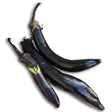
(Solanum melongena). We love the extra-long fruit of this heirloom eggplant from Nagasaki, Japan, but its shape is just one of its charms. The tender, never-bitter fruit is mild and sweet enough to eat raw! Gardeners will appreciate its impressive tolerance to heat and humidity. Chefs and home cooks will adore its velvety mouthfeel and nutty flavor.

Growing Tips: Nagasaki Long eggplant thrives in warm conditions with plenty of sunlight and well-draining, fertile soil with a pH of 6.0-7.0. Keep the plants well watered but not soaked. Mulch around them to suppress weeds and retain moisture.

Plant Details

Botanical Name
Solanum melongena
Life Cycle
Annual
Sun Requirement
6–8 hr.
Days to Germinate
10–15
Days to Maturity
70–80
Planting Depth
¼ in.
Plant Spacing
18 in.
Ideal Temperature
75–95°F
Frost Hardy
No

When to Grow

Nagasaki Long eggplant should be planted after the danger of frost has passed. Start seeds indoors 8-10 weeks before the last expected frost in your area. Transplant seedlings outdoors 2-3 weeks after the last frost, once the soil has warmed to 65 F. If you are not sure how to find your local frost dates, check out our blog post 'Our Experts Answer Questions, Share Resources.' to determine the best planting schedule.

How to Sow and Plant

Start seeds indoors by sowing them 1/4 inch deep in seed-starting trays filled with a quality seed-starting mix. Keep the soil temperature between 75-85 F using a heat mat if needed during germination. Before transplanting, harden off the seedlings by gradually exposing them to outdoor conditions over 7-10 days. Once ready, plant the seedlings 18 inches apart. Setting out larger transplants helps to fight pest pressure.

How to Grow

Water deeply and consistently to keep the soil evenly moist, but avoid waterlogging the roots. Fertilize every 2-3 weeks with a balanced fertilizer or organic compost. Monitor for pests like flea beetles, aphids, and spider mites, and address infestations with neem oil or insecticidal soap. Continually harvest to keep plants productive.

How to Save Seeds

  • Eggplants are not insect-pollinated, so it is not necessary to isolate the plants very much to ensure pure seed. For home gardeners, an isolation distance of at least 40 feet is sufficient for seed saving.
  • Allow fruit to become overripe; the fruit will become slightly wrinkled and soft.
  • Scoop seeds out, rinse, and spread out to dry thoroughly.
  • Properly stored eggplant seeds will remain viable for up to 4 years.

FAQ

Can Nagasaki Long eggplant be grown in containers?

Yes, it can be grown in containers. Use a pot that is at least 5 gallons in size with good drainage, and provide fertile, well-draining soil.

How do I know when to harvest Nagasaki Long eggplant?

Harvest when the fruits are firm and glossy. Avoid waiting too long, as overripe fruits may develop a bitter taste. This variety takes around 70-80 days to mature.

Can Nagasaki Long eggplant variety grow in cooler climates?

While it prefers warm climates, it can still grow in cooler regions if started indoors and transplanted outdoors after frost. Protect the plants from cold temperatures using row covers if necessary.

Browse our full range of eggplant seeds.

FREE SHIPPING IN THE U.S.A.
Alternate domestic shipping options available at checkout.
You may also like