Iceplant Seeds,
Succulent
Faster shipping options also available.
Description
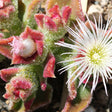
Prolific production of small daisy-like white to pink flowers in summer. A bed of iceplant is oddly reminiscent of an undersea stand of sea anemones! The glistening, succulent leaves are edible—making a delicious, slightly tart spinach substitute. The crushed leaves also make a natural lather and have been used as a soap substitute. At one time the leaves were used to treat scurvy on long voyages, which explains its occurrence worldwide, seeds being present in soil dropped by ships in ballast dumps. Native to southern and western Africa. The plants also take up salt and have been used in bioremediation. Tolerates poor soils. Perennial in frost-free climates, where it may become invasive.
Growing Tips: Sow in place, or start transplants indoors, setting out after last frost, transplanting carefully. Keep soil moist and warm until sprouts appear. Requires sharp drainage, prefers dry locations.
Plant Details
- Botanical Name
- Mesembryanthemum crystallinum
- Life Cycle
- Annual or biennial
- Sun Requirement
- 6–12 hr.
- Days to Germinate
- 3–21
- Days to Maturity
- 60
- Planting Depth
- Surface sow
- Plant Spacing
- 18–24 in.
- Ideal Temperature
- 73–83°F
- Frost Hardy
- No
When to Grow
How to Sow and Plant
How to Grow
How to Save Seeds
FAQ
How should Succulent Iceplant seed be sown?
Surface sow it rather than burying it, and keep the soil moist and warm until sprouts appear. Hold the temperature around 61-77 F and allow 14-21 days for germination.
My Succulent Iceplant seedlings are collapsing at the soil line. What went wrong?
Iceplant is otherwise a pest-free plant, but seedlings will develop rot or damping off issues if they are not given proper ventilation. Improve air movement around the flats.
Are the leaves edible?
Yes. The glistening, succulent leaves are edible and make a slightly tart spinach substitute. The plants also produce prolific small, daisy-like white to pink flowers in summer, tolerate poor soils, and require sharp drainage.