Melon Seeds,
Rich Sweetness 132
Faster shipping options also available.
Description
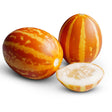
(Cucumis melo). A tiny and wondrous melon from the former Soviet Union. Vibrant color, intense sweet aroma, and juicy, honeydew-like flesh make this a favorite edible ornamental. Allow the vines to climb a trellis or fence, and you will be rewarded with luminous striped fruit about the size of a tennis ball. Its whimsical eye appeal and intoxicating scent will transform landscape and garden designs into a fairy land, but the fruit isn’t just photogenic; it’s also deliciously sweet and juicy! The vines produce a large yield, early in the season.
Growing Tips: Rich Sweetness melons are a striking heirloom variety from Russia, known for their vivid red and yellow striped rinds and crisp, mildly sweet white flesh. These small melons thrive in full sun and well-drained, fertile soil. Mulch to conserve moisture and reduce weed pressure. Their compact vines are well-suited for small gardens or container growing with vertical support.
Plant Details
- Botanical Name
- Cucumis melo
- Life Cycle
- Annual
- Growth Habit
- Vining
- Sun Requirement
- Full sun
- Days to Germinate
- 4–14
- Days to Maturity
- 75–85
- Planting Depth
- ½–¾ in.
- Plant Spacing
- 18–24 in.
- Ideal Temperature
- 70–90°F
- Frost Hardy
- No
When to Grow
How to Sow and Plant
How to Grow
How to Save Seeds
FAQ
How big do Rich Sweetness melons grow?
Rich Sweetness melons are small, typically 4–6 ounces each, making them perfect for single servings. Their bright, ornamental appearance and crisp texture make them as decorative as they are delicious.
Can Rich Sweetness melons be grown in containers?
Yes, their compact size and short vines make them excellent candidates for container gardening. Use a container with at least 5 gallons of soil and provide a small trellis for support.
Do Rich Sweetness melons cross with other varieties?
As a Cucumis melo type, they can cross-pollinate with other melons of the same species. To save pure seeds, isolate by distance or hand-pollinate and bag blossoms to prevent cross-pollination.
Browse our full range of melon seeds.