Watermelon Seeds,
Desert King
Description
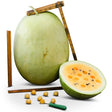
(Citrullus lanatus). This watermelon produces 20-lb fruit with a light pea-green, sunburn-resistant rind. It is also one of the most drought-resistant varieties of watermelon known. It has sweet, yellow flesh and is very popular in the watermelon-growing areas of Arkansas. Good for storage.
Growing Tips: Desert King thrives in heat and can tolerate drought conditions better than most watermelons. Choose a full-sun location with sandy, well-drained soil. Deep, infrequent watering promotes strong root systems. Use mulch to suppress weeds and retain moisture. This variety also stores well after harvest, offering a longer shelf life than most melons.
Plant Details
- Botanical Name
- Citrullus lanatus
- Life Cycle
- Annual
- Growth Habit
- Vining
- Sun Requirement
- Full sun
- Days to Germinate
- 5–10
- Days to Maturity
- 85–95
- Planting Depth
- 1 in.
- Plant Spacing
- 36–48 in.
- Ideal Temperature
- 70–95°F
- Frost Hardy
- No
When to Grow
How to Sow and Plant
How to Grow
How to Save Seeds
FAQ
Is Desert King watermelon good for dry climates?
Yes, Desert King is one of the best watermelons for drought-prone areas. It was specifically bred to tolerate hot, dry conditions while still producing sweet, juicy fruit.
How large do Desert King watermelons get?
Desert King watermelons typically weigh between 15 and 25 pounds, with firm yellow flesh and a thick rind that helps them hold up well in the garden and in storage.
Does the yellow flesh mean it's less sweet than red varieties?
Not at all—Desert King has a rich, honeyed sweetness and is often praised for its unique flavor. Many gardeners find it just as sweet, if not sweeter, than red-fleshed types.
Browse our full range of watermelon seeds.
Alternate domestic shipping options available at checkout.