Amaranth Seeds,
Dreadlocks
Description
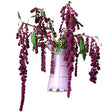
(Amaranthus caudatus). A fountain of eye-catching magenta-burgundy blooms! Here’s a different amaranth—curious flower heads in a weeping habit, with “tassels” sometimes reaching down to the ground. Compact plants seldom exceed 3 to 4 feet in height. Seeds and young leaves are edible and highly nutritious. This variety is stunning in beds and borders and it makes a top-notch cutting flower for floral design. Adds some serious drama to the garden!
Growing Tips: Dreadlocks amaranth produces dramatic, rope-like blooms that cascade in vivid burgundy, making it ideal for both ornamental beds and floral arrangements. It is low-maintenance and tolerant of poor soil, thriving in hot, sunny conditions with minimal care.
Plant Details
- Botanical Name
- Amaranthus caudatus
- Life Cycle
- Annual
- Sun Requirement
- Full sun
- Days to Germinate
- 3–10
- Days to Maturity
- 90–100
- Planting Depth
- ⅛ in.
- Plant Spacing
- 10–12 in.
- Ideal Temperature
- 70–85°F
- Frost Hardy
- No
When to Grow
How to Sow and Plant
How to Grow
How to Save Seeds
FAQ
Can Dreadlocks amaranth be used in floral arrangements?
Yes, the dramatic tassels are highly sought after in both fresh and dried floral designs. Harvest blooms at peak color and hang them upside down to dry for long-lasting arrangements.
Is Dreadlocks amaranth edible?
While grown primarily as an ornamental, the young leaves and seeds are edible. Leaves can be sautéed or steamed, and seeds may be collected and cooked like quinoa or popped.
Does this variety need support to stay upright?
In most cases, Dreadlocks amaranth stands well on its own. However, in windy areas or if soil is loose, staking or growing near a fence can help prevent leaning or breakage.
Browse our full range of amaranth seeds.
Alternate domestic shipping options available at checkout.