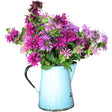
Bee Balm Seeds,
Spielarten Mix
Description
(Monarda didyma). A beautiful mix of this pollinator-friendly perennial. Shades of mauve, lavender, purple, pink, and more will entice butterflies, bees, and, of course, hummingbirds. A delightful edible, medicinal, & ornamental, the leaves and flowers can be steeped into teas, homemade cough syrups, jellies, and more. This showy mix is a top choice.
Growing Tips: Bee balm grows best in full sun but can tolerate partial shade, especially in hotter climates. These plants prefer well-drained, loamy soil enriched with organic matter like compost. They like full sun to light shade and average, well-drained soil. The plants should not be kept saturated or allowed to wilt. Perennial in zones 4-9.
Plant Details
- Botanical Name
- Monarda didyma
- Life Cycle
- Perennial
- Sun Requirement
- 6–12 hr.
- Days to Germinate
- 14–21
- Days to Maturity
- 115
- Planting Depth
- Surface sow
- Plant Spacing
- 12 in.
- Ideal Temperature
- 60–90°F
- Frost Hardy
- Yes
When to Grow
How to Sow and Plant
How to Grow
How to Save Seeds
FAQ
Is bee balm resistant to deer?
Yes, bee balm is generally deer-resistant due to its aromatic foliage.
Can bee balm be grown in containers?
Yes, it can, but make sure that the pots are large enough to accommodate their root system and have good drainage.
What pests or diseases affect bee balm?
Overall, these plants are not usually bothered by pests or diseases. However, powdery mildew can become an issue, especially in humid conditions or with poor air circulation. Pests like spider mites, aphids, and stalk borers can also be occasional problems.
Browse our full range of bee balm seeds.
Alternate domestic shipping options available at checkout.