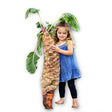
Beet Seeds,
Mammoth Red Mangel
Description
(Beta vulgaris). A gargantuan beet for the adventurous gardener! Harvest this delectable beet for the dinner table when young, or allow it to grow to epic proportions (ours have reached up to 40 pounds and 6 feet long) for giant veg competitions or just for a good old-fashioned gardener's brag! A popular livestock feed in the 1800s, this makes a great fodder crop for the homestead. The giant roots are also used for a game called "mangold hurling." Dating to the 11th century, the sport is still played in the U.K. today. Harvest the roots when small and tender; they can be sliced thin and eaten raw or cooked. Grated, the roots make a delicious beet burger! The greens are supremely tender, even as the roots swell; we have harvested yummy greens from our giant mangel for up to 6 months. The roots are endlessly useful; they can be eaten, fed to chickens, horses, cows, and sheep, or used for sport!
Growing Tips: Mammoth Red Mangel beets prefer deeply tilled, well-draining soil, ideally sandy or loamy, to accommodate their large size. Adding plenty of organic matter, like compost, will support healthy growth. It's also advisable to remove rocks from the planting site. Thin early for best results.
Plant Details
- Botanical Name
- Beta vulgaris
- Life Cycle
- Biennial
- Sun Requirement
- Full sun
- Days to Germinate
- 14–21
- Days to Maturity
- 100
- Planting Depth
- ½ in.
- Plant Spacing
- 4–6 in.
- Ideal Temperature
- 50–85°F
- Frost Hardy
- Yes
When to Grow
How to Sow and Plant
How to Grow
How to Save Seeds
FAQ
How large do Mammoth Red Mangel beets get?
Mammoth Red Mangel beets can grow extremely large; ours have reached up to 40 pounds and 6 feet long. They require deep, well-tilled soil to reach their full size without becoming misshapen.
Can I grow Mammoth Red Mangel beets in containers?
Yes, but due to their large size, growing outdoors is recommended to ensure substantial growth.
What can I use Mammoth Red Mangel beets for?
Mammoth Red Mangel beets are traditionally grown as livestock feed due to their large size and high yield. However, they can also be harvested young for human consumption, providing a sweet, tender beet suitable for various dishes.
Browse our full range of beet seeds.
Also note:
The Mammoth Red Mangel is one of the celebrated varieties mentioned in our recent article about festivals devoted to heirloom vegetables!
Alternate domestic shipping options available at checkout.