Winter Squash Seeds,
Crespo

3.85 ReviewsSKU: #SQ326Min. seed count: 20
Price
Regular price $4.00
Regular price $0.00 Sale price $4.00
Save $-4
/
FREE SHIPPING IN THE U.S.A.
Faster shipping options also available.

Description

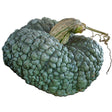
(Cucurbita maxima). This legendary and delicious pumpkin from Peru and Bolivia has superior and gourmet flavor and texture. This ancient warted squash is believed to be the parent of historic varieties such as Buen Gusto de Horno and Marina di Chioggia squash. It is likely that this Native variety was brought to Spain and contributed to many other varietals. A big, delicious pumpkin with indigenous roots in South America.

Growing Tips: Crespo squash thrives in rich, well-draining soil with full sun exposure. To maximize yield, feed plants monthly with a balanced organic fertilizer and mulch heavily to retain moisture and suppress weeds. Keep an eye out for squash pests and rotate planting areas each year to prevent soilborne diseases.

Plant Details

Botanical Name
Cucurbita maxima
Life Cycle
Annual
Growth Habit
Vining
Sun Requirement
Full sun
Days to Germinate
5–10
Days to Maturity
95–105
Planting Depth
1 in.
Plant Spacing
36–48 in.
Ideal Temperature
70–95°F
Frost Hardy
No

When to Grow

Plant Crespo squash seeds indoors 3–4 weeks before the last frost date, or direct sow outdoors once soil temperatures reach 65°F or higher. Gardeners in warm climates can also plant midsummer for a fall harvest. If you’re not sure how to find your first and last frost dates, consult our blog post 'Our Experts Answer Questions, Share Resources.'

How to Sow and Plant

Sow Crespo squash seeds about 1 inch deep in nutrient-rich soil. Space seeds 36–48 inches apart to accommodate vigorous vines. Mound planting is ideal for better drainage and warmer soil temperatures. Water immediately after planting, keeping soil consistently moist but not soggy during germination.

How to Grow

Once seedlings establish, thin to the strongest plants. Train vines across the ground or up a sturdy trellis to manage space and improve airflow. Water deeply and consistently, especially during flowering and fruit development. Harvest mature Crespo squash when the rind is firm and the stem turns brown.

How to Save Seeds

  • There are four different species of squash: Cucurbita maxima, C. pepo, C. moschata, and C. mixta. They will not cross pollinate with each other, so it is possible to grow one of each species for seed saving without worrying about cross pollination.
  • If you are planning to grow several varieties of more than one species, you can bag the blossoms and hand pollinate to avoid crossing.
  • Whether it is a summer or winter squash, you must let the fruit completely mature before extracting the seeds, and cure for at least two weeks.
  • Scoop the seeds, place them in a bucket, and add just enough water to cover. Let sit at room temperature to ferment for two days before rinsing off the pulp.
  • Lay seeds out to dry on newspaper or paper plates.
  • Stored in a cool, dry place, seeds will remain viable for up to four years

FAQ

How long does it take Crespo squash seeds to sprout?

Crespo squash seeds usually sprout within 7 to 10 days under warm soil conditions between 70°F and 85°F. Cooler temperatures may delay germination by several days.

Can I grow Crespo squash vertically on a trellis?

Maybe. Crespo squash vines can be trained to grow vertically on a very strong trellis, but the fruits are very heavy and need support with slings or nets to prevent the vines from breaking.

Do Crespo squashes store well after harvest?

Crespo squashes are excellent for long-term storage. Cure the fruits in a warm, dry spot for 10–14 days after harvesting, then store them in a cool, dry place for up to six months.

Browse our full range of winter squash seeds.
Customer reviews

3.8 / 5 5 Reviews

What gardeners are saying

  • Sweet, nutty flesh: Sweeter than butternut; makes fine pies and mashes well.

  • Vines run far: Give it room; long vines wander across the whole garden.

  • Stores well: Hard pumpkin-like shell, and it keeps a long time indoors.

  • Needs the full season: Slow to mature; short-season gardens may not ripen fruit.

You may also like