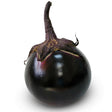
Eggplant Seeds,
Kamo
Min. 25 seeds
FREE U.S. SHIPPING, 2-YEAR GUARANTEE
Description
(Solanum melongena). A gourmet eggplant, highly regarded by top chefs in Japan, plants are super heat and humidity tolerant. A Kyo Yasai or traditional vegetable of Kyoto, this variety is specifically from the city of Kamo, Japan. It is considered a regional delicacy of the area thanks to its creamy, dense flesh and sweet flavor. Eggplant began to be cultivated in Japan in the 8th century, and much effort in breeding and refining has been put in since its introduction!
Growing Tips: This compact variety thrives in full sun and nutrient-rich, well-draining soil with a slightly acidic to neutral pH (6.0-7.0). It loves warm conditions and requires consistent watering, though the soil should not become waterlogged. Mulching around the base helps retain moisture and regulate soil temperature. Fertilize sparingly, as too much nitrogen encourages foliage growth at the expense of fruit production.
Plant Details
- Botanical Name
- Solanum melongena
- Life Cycle
- Annual
- Sun Requirement
- 6–8 hr.
- Days to Germinate
- 10–15
- Days to Maturity
- 65–80
- Planting Depth
- ¼ in.
- Plant Spacing
- 18 in.
- Ideal Temperature
- 75–95°F
- Frost Hardy
- No
Growing Guide
When to Grow
How to Sow and Plant
How to Grow
How to Save Seeds
FAQ
What pests or diseases can affect Kamo eggplant?
Common pests include flea beetles, aphids, and spider mites. Diseases such as verticillium wilt or powdery mildew can occur if airflow is poor or plants are overwatered. Proper spacing and crop rotation help prevent these problems.
How does Kamo eggplant taste?
It has a rich, creamy flavor with a tender, silky texture, making it perfect for grilling, roasting, and traditional Japanese dishes.
Is Kamo eggplant suitable for small gardens?
Yes, its compact size makes it an excellent choice for small spaces and urban gardens.
Browse our full range of eggplant seeds.