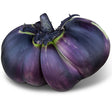
Eggplant Seeds,
Nagaoka Kinchaku
Min. 25 seeds
FREE U.S. SHIPPING, 2-YEAR GUARANTEE
Description
(Solanum melongena). From Niigata Prefecture, Japan, famous for both rice and eggplants, comes this dark obsidian variety known as "Nagaoka purse eggplant." Dating back to the Meiji era, it is celebrated for its sweetness and is traditionally steamed with ginger and soy sauce.
Growing Tips: This Japanese heirloom eggplant grows best in full sun and nutrient-rich, well-draining soil with a pH of 6.0-7.0. This heat-loving plant requires even moisture but dislikes soggy soil, so be careful not to overwater. Mulching helps retain moisture and regulate soil temperature. Use a balanced or phosphorus-rich fertilizer to encourage flowering and fruiting while avoiding excessive nitrogen, which promotes leafy growth.
Plant Details
- Botanical Name
- Solanum melongena
- Life Cycle
- Annual
- Sun Requirement
- 6–8 hr.
- Days to Germinate
- 10–15
- Days to Maturity
- 70–80
- Planting Depth
- ¼ in.
- Plant Spacing
- 18 in.
- Ideal Temperature
- 75–95°F
- Frost Hardy
- No
Growing Guide
When to Grow
How to Sow and Plant
How to Grow
How to Save Seeds
FAQ
Can Nagaoka Kinchaku eggplant grow in containers?
Yes, this compact variety grows well in containers. Use a pot that is at least 5 gallons in size with well-draining soil, and make sure that the plant receives enough sun.
What pests or diseases can affect Nagaoka Kinchaku eggplant?
Common pests include flea beetles, aphids, and spider mites. Diseases such as verticillium wilt or powdery mildew can occur in poor growing conditions. Proper spacing, airflow, and crop rotation help prevent these issues.
What does Nagaoka Kinchaku eggplant taste like?
This variety has a mild, creamy flavor and tender texture, making it ideal for grilling, roasting, and stir-frying.
Browse our full range of eggplant seeds.