Lettuce Seeds,
Tennis Ball

4.813 ReviewsSKU: #LT164Min. seed count: 250
Price
Regular price $3.00
Regular price $0.00 Sale price $3.00
Save $-3
/
FREE SHIPPING IN THE U.S.A.
Faster shipping options also available.

Description

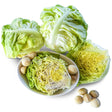
(Lactuca sativa) Bibb/Butterhead. The petite, rather loose heads of this Bibb (butterhead) type are 4 to 6 inches in diameter. This variety is documented to have been grown at Monticello by Thomas Jefferson, who noted: "it does not require so much care and attention" as other types. We offer the correct, black-seeded original strain. Listed in the Slow Food Ark of Taste, and beloved by many about a century ago.

Growing Tips: Tennis Ball lettuce is ideal for kitchen gardens because it can be planted closely together and it matures quickly. To grow Tennis Ball lettuce successfully, plant it in full sun to partial shade, in well-draining soil that is kept consistently moist but not waterlogged. Ensure 4-8 hours of sun daily. Enriching the soil with compost or well-rotted manure before planting will provide the necessary nutrients for vigorous growth.

Plant Details

Botanical Name
Lactuca sativa
Life Cycle
Annual
Sun Requirement
4–8 hr.
Days to Germinate
7–10
Days to Maturity
55
Planting Depth
¼ in.
Plant Spacing
8 in.
Ideal Temperature
60–80°F
Frost Hardy
Yes

When to Grow

Tennis Ball lettuce can be started from seeds indoors 4-6 weeks before the last expected frost date. Transplant seedlings outdoors after hardening them off for about a week. Direct sowing is also an option as soon as the soil can be worked in early spring, or in late summer for a fall harvest. This lettuce thrives in cooler temperatures, ideally between 60-80 F. In hot climates, consider planting in the shade of taller crops to prevent bolting​​. If you’re not sure how to find your first and last frost dates, consult our blog post 'Our Experts Answer Questions, Share Resources.'

How to Sow and Plant

Sow seeds 1/4 inch deep in well-prepared soil. Sow in thick bands for baby greens or space 8 inches apart for head lettuce. If starting indoors, transplant seedlings after the last frost date has passed. Harden off seedlings by gradually exposing them to outdoor conditions over a week before planting them in the garden​​. Keeping the soil moist during germination and early growth stages is crucial for healthy development.

How to Grow

Maintain consistent moisture levels in the soil, avoiding both drought and waterlogging. Mulching around the plants can help retain moisture and keep the soil cool. Regularly weed the growing area to reduce competition for nutrients and water. Tennis Ball lettuce benefits from light feeding with a balanced fertilizer or compost tea every few weeks. To extend the harvest season, practice succession planting every few weeks​.

How to Save Seeds

  • Lettuce is a self-pollinating annual, making it an easy crop for seed saving.
  • Choose the best and healthiest plants and allow them to send up flower stalks.
  • Once seed heads are dried and have turned a yellowish-tan color, cut the entire stalk and place in a bag.
  • Crush the seed heads in the bag and separate the chaff.
  • Store in an airtight container in the refrigerator for up to 4 years.

FAQ

How often should I water Tennis Ball lettuce?

Water regularly to keep the soil consistently moist, about 1 inch per week. Use drip irrigation or a gentle watering method to avoid disturbing the shallow roots.

What is the ideal soil pH for Tennis Ball lettuce?

This variety prefers a slightly acidic to neutral soil pH of 6.0-7.0. Adding organic matter like compost can help maintain the appropriate pH and enhance soil fertility.

Can Tennis Ball lettuce be grown in containers?

Yes, Tennis Ball lettuce grows well in containers. Use a pot with good drainage and at least 6 inches deep. Ensure the container is placed in a location that receives adequate sunlight.

Browse our full range of lettuce seeds.
Customer reviews

4.8 / 5 13 Reviews

What gardeners are saying

  • Ridiculously prolific: Fills in fast and crowds out weeds; give it room.

  • Mild and tender: Soft, sweet leaves with no bitterness.

  • Compact plants: Small plants suit containers and tight spaces.

  • Quick to grow: Germinates fast, even in countertop hydroponics.

  • Heads up: Some get loose clumps instead of tight heads; pick leaves.

You may also like