Mullein Seeds,
Wild Purple

51 ReviewSKU: #HB355Min. seed count: 100
Price
Regular price $3.50
Regular price $0.00 Sale price $3.50
Save $-3.50
/
Shipping calculated at checkout.

Description

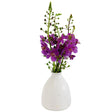
Perennial zones 4-8. This wild form of purple mullein has an open and airy habit with vibrant color that beckons legions of beneficial insects. Sturdy spikes reach 3 feet tall, perfect for pollinator gardens, meadows, beds, and borders. We love to enjoy this ornamental just as it is found in its native regions of Central Asia, North Africa, and southern Europe.

Plant Details

Botanical Name
Verbascum phoeniceum
Life Cycle
Perennial
Days to Germinate
7–21
Days to Maturity
100–120
Planting Depth
Surface sow
Plant Spacing
24 in.
Ideal Temperature
60–70°F
Frost Hardy
Yes

When to Grow

Wild Purple can go in during spring or fall, which suits a plant you want to look self-sown in a meadow. Press the seed onto the soil surface and skip the covering, because light aids germination; sprouts follow in 7 to 21 days at a germination temperature of 70 to 80°F. Starting indoors 6 to 8 weeks before your last frost date is the option to take if you would rather place each plant deliberately, 24 inches apart. Days to maturity for the airy purple spikes is 100 to 120.

How to Sow and Plant

  • Seeds germinate in 14-21 days.
  • Direct sow seeds in fall/winter or start indoors 6-8 weeks before last frost date.
  • Surface sow seeds (they are very, very tiny) as light aids germination.
  • When sowing outdoors, you can lightly cover them.
  • Ideal germination temperature is 70-80 F.

How to Grow

  • Prefers well-drained soil, although mullein is tolerant of a range of soil conditions, including poor soil.
  • Drought tolerant.
  • Provide full sun to part shade.
  • Space plants at least 18-24 inches apart.

PESTS/SPECIAL CONSIDERATIONS

  • A pest-free plant.
  • It is not typically considered invasive, but if you are concerned about potential invasiveness, ask your local extension agent for more information specific to your region.

How to Save Seeds

  • This biennial will send up a flower stalk in the second year.
  • Allow flower stalk to turn brown and dry before saving the tiny seeds.
  • Store in a cool, dark, dry place.

FAQ

How is Wild Purple different from the named garden mulleins?

This is the wild form of purple mullein, with an open, airy habit and vibrant color, grown just as it is found in its native regions of Central Asia, North Africa, and southern Europe. Its sturdy spikes reach 3 feet tall.

Where does Wild Purple fit best in the garden?

Pollinator gardens, meadows, beds, and borders. Its vibrant color beckons legions of beneficial insects, and it is a perennial for zones 4 to 8.

Does Wild Purple have pest problems, and will it spread too far?

Mullein is a pest-free plant. It is not typically considered invasive, but if you have concerns about potential invasiveness, your local extension agent can give you information specific to your region.

FREE SHIPPING IN THE U.S.A.
Alternate domestic shipping options available at checkout.
You may also like